When Algorithms Choose Winners: The Hidden Role of AI in Modern Contest Selection Processes
Modern contest organizers rely on sophisticated algorithms that extend far beyond basic random draws, incorporating machine learning models to handle entry validation, fraud screening, and winner determination in large-scale promotions. These systems process millions of submissions daily while adapting to patterns that human reviewers might overlook, and data from industry reports shows that AI integration has grown steadily since 2022 as platforms scale their operations across global markets.
From Simple Random Draws to Layered AI Systems
Traditional selection methods depended on pseudorandom number generators that produced unpredictable outcomes within defined parameters, yet contemporary platforms layer additional models on top of those foundations to verify eligibility and flag anomalies before any draw occurs. Researchers at institutions such as Carnegie Mellon University have documented how these combined approaches reduce duplicate entries and automated bot activity, while maintaining compliance with stated rules that govern each promotion cycle. The result appears in published winner lists where certain entries receive automatic disqualification based on behavioral signals rather than manual review alone.
Selection pipelines now include natural language processing components that scan user-generated content for rule violations during submission, and these filters operate continuously across time zones to keep processing queues manageable even during peak entry periods like holiday campaigns or product launches.
Fraud Detection and Pattern Recognition at Scale
AI models trained on historical entry data identify coordinated submission patterns that suggest scripted activity or shared devices across multiple accounts, and government agencies including the Federal Trade Commission have noted increased enforcement actions tied to such detections in recent years. These systems assign risk scores to individual entries using variables such as IP clustering, submission velocity, and device fingerprinting, then route high-risk items for secondary verification without delaying the overall timeline for legitimate participants.
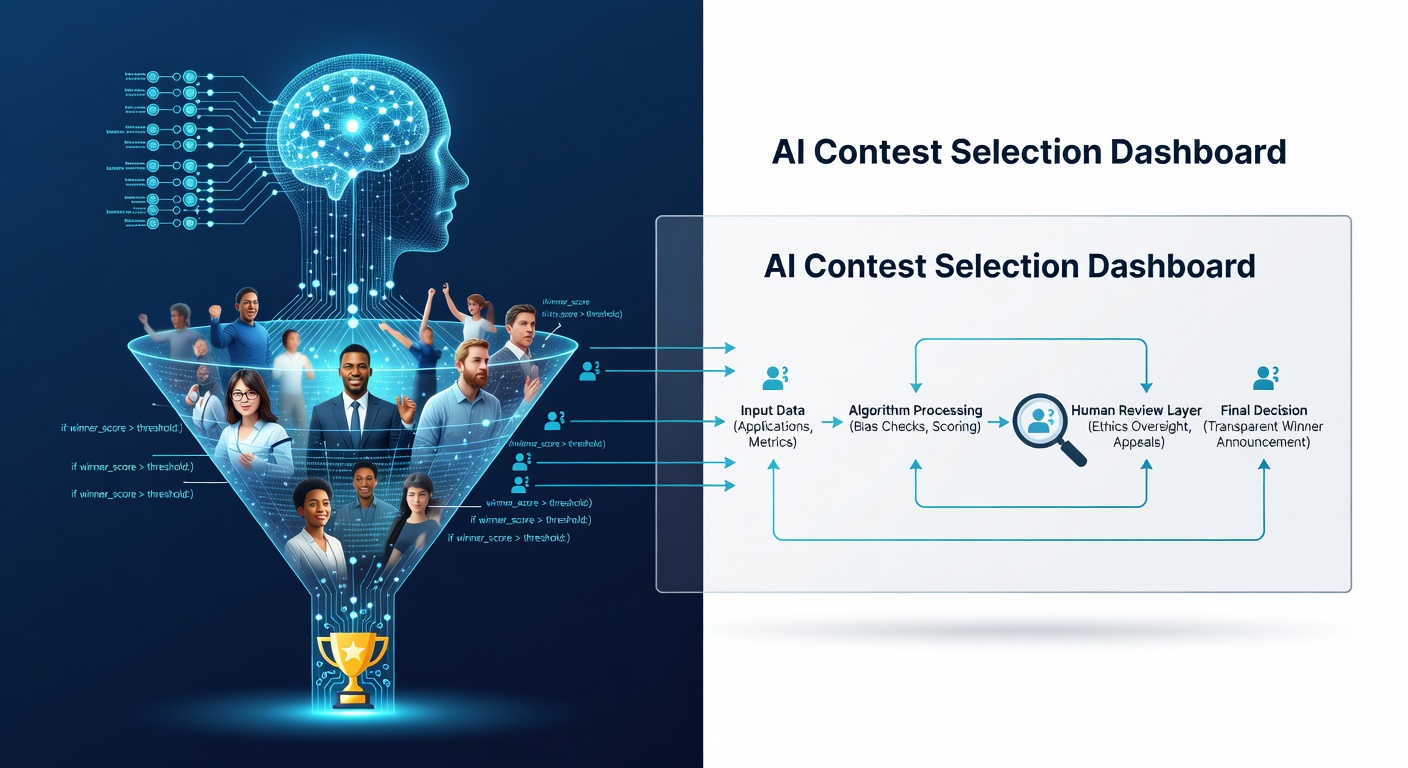
One documented case involved a 2025 campaign where an algorithm isolated a cluster of entries originating from the same residential network during a narrow window, leading organizers to apply additional identity checks before finalizing the winner pool. Observers note that such interventions occur quietly behind the scenes, preserving the appearance of a standard random selection while protecting prize integrity for all involved parties.
Regional and Regulatory Considerations in Algorithm Design
Different jurisdictions impose varying transparency requirements on automated decision-making, and updates scheduled for May 2026 in several Canadian provinces will require clearer disclosure of AI involvement in winner selection for promotions exceeding certain prize thresholds. Platforms adjust their model documentation accordingly, often maintaining separate audit logs that regulators can request during compliance reviews without exposing proprietary weighting factors to public scrutiny.
European data protection frameworks further influence how entry information feeds into these systems, limiting the retention periods for behavioral signals and requiring explicit consent language in contest terms. Industry groups such as the Interactive Advertising Bureau have compiled comparative analyses across regions to help operators align their technical implementations with local expectations while preserving operational efficiency.
Implementation Examples Across Platforms
Large consumer brands running daily draws integrate reinforcement learning components that refine selection parameters based on past participation metrics, allowing the system to balance geographic distribution or demographic representation when stated rules permit such adjustments. These refinements occur within predefined boundaries set by legal teams, and published results from multi-brand collaborations demonstrate measurable improvements in entry diversity over successive cycles.
Academic studies tracking public contest outcomes have found correlations between AI-augmented verification and lower rates of prize claim disputes, as flagged entries receive earlier notification of ineligibility rather than after selection announcements. The approach reduces administrative overhead for organizers while giving participants clearer feedback on submission status.
Conclusion
Algorithmic systems now form the backbone of contest operations worldwide, handling validation, risk assessment, and final selection through interconnected models that evolve with each campaign cycle. Data from regulatory filings and research publications continues to track these developments, revealing consistent patterns in how platforms balance scale, fairness requirements, and compliance obligations across diverse markets. As technical capabilities advance, the underlying processes remain focused on delivering verifiable outcomes that align with publicly stated contest rules.