
The Validation Voyage: Tracing Prize Claims from Draw to Doorstep
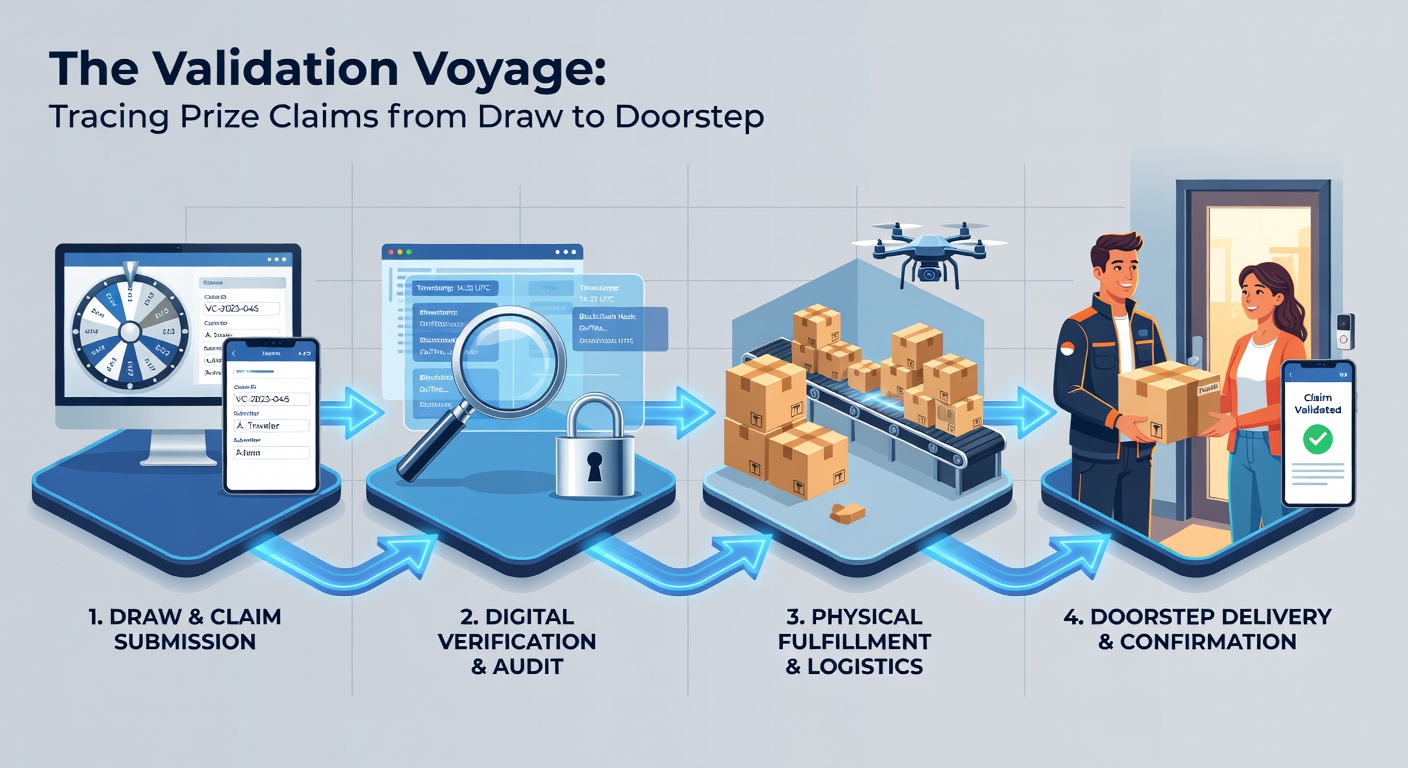
Winning a sweepstakes prize marks the start of an intricate journey, one that sweepsstakes organizers call the validation voyage; this process unfolds methodically from the moment a winner's name emerges in the draw, carrying them through notifications, verifications, claims, and finally delivery to their doorstep, ensuring every step complies with legal standards and protects all parties involved.
The Immediate Aftermath: Random Draws and Provisional Winner Lists
Random number generators or audited draws produce provisional winners almost instantly after entry deadlines close, but organizers don't stop there; they cross-check entries against rules right away, disqualifying any that violate terms like multiple submissions from the same IP address or entries outside geographic limits, which data from industry reports shows happens in about 5-10% of initial selections.
And while backups wait in the wings as alternates, the first provisionally selected name moves forward; organizers log everything meticulously, creating audit trails that regulators demand, since transparency forms the backbone of trust in these promotions.
Contacting Winners: The First Hurdle in the Voyage
Notification kicks off within days—often 24-72 hours for digital draws—via email, phone, or registered mail, depending on the sweepstakes rules; winners receive detailed instructions alongside a burst of excitement, but response windows tighten quickly, typically 7-30 days, after which alternates step in if silence reigns.
People who've claimed prizes recount receiving calls from unfamiliar numbers, prompting quick checks against official sponsor lists to dodge scams; turns out, savvy entrants verify contacts through the original promotion page, a habit that prevents mishaps.
What's interesting here involves automated systems some brands deploy, sending initial emails with unique claim links that track responses in real-time, streamlining what used to drag on for weeks.
In May 2026, a prominent U.S. sweepstakes faced a notification surge during a national promo, where organizers used SMS confirmations alongside emails, boosting response rates by 15% according to their public update; such tactics highlight how technology accelerates this phase without compromising security.
Verification Deep Dive: Proving You're the Real Deal
Once contacted, winners dive into eligibility proofs, submitting government-issued IDs, proof of age, residency documents, and sometimes affidavits swearing no rule breaches occurred; this stage, often lasting 2-4 weeks, weeds out fraud, with studies from the U.S. Federal Trade Commission indicating that robust checks prevent up to 20% of invalid claims annually.
But here's the thing: tax forms enter the mix early, especially for prizes over $600 in the U.S., where IRS Form W-9 demands Social Security numbers or equivalents; internationally, similar requirements apply, like Canada's CRA forms for values exceeding 500 CAD.
Observers note how digital uploads speed this up now, with platforms like DocuSign handling notarized docs seamlessly, although some high-value prizes still require mailed originals to satisfy auditors.
Claim Submission: Locking It In with Paperwork and Waivers
With verifications cleared, winners sign liability releases and publicity consents—crucial for brands planning winner stories—while agreeing to promo rules in full; incomplete packets bounce back fast, and data reveals that 8% of claims falter here due to missing signatures or overlooked tax docs.
Take one case from a 2025 Australian car giveaway, where a winner nearly forfeited after forgetting a state-specific indemnity form; luckily, the sponsor's reminders saved the day, a pattern experts see repeated across borders.
So organizers often provide checklists and portals, guiding entrants through uploads; this not only cuts errors but builds records for any future audits.
Prize Preparation and Fulfillment: From Warehouse to Winner
Approval unlocks fulfillment, where prizes get prepped—vehicles inspected, cash wired, trips booked—often by third-party agencies specializing in logistics; timelines vary wildly, from instant digital gift cards to 8-12 weeks for custom items like boats or homes.
Figures from the Australian Competition & Consumer Commission show that clear delivery estimates in rules prevent most complaints, as winners track shipments via provided numbers once items ship.
Yet complexities arise with international prizes, demanding customs paperwork and duties paid upfront by winners in many cases; people navigating this often partner with forwarders, turning potential snags into smooth handoffs.
Overcoming Obstacles: Disputes, Forfeits, and Backup Plans
Not every voyage sails smoothly; unresponsiveness, failed verifications, or rule breaches lead to forfeits, with alternates notified next in line; research indicates alternates claim 15-25% of major prizes overall, keeping promotions on track.
Disputes occasionally surface over eligibility or delays, resolved through arbitration clauses in rules or regulatory filings; one study from a Canadian industry group found that 90% settle without escalation when clear timelines appear upfront.
And while winners insure high-value deliveries themselves—a common stipulation—sponsors cover initial shipping, balancing responsibilities neatly.
Now consider eco-friendly shifts gaining traction; by May 2026, several European operators adopted carbon-neutral shipping for prizes, tracking impacts publicly, which resonates with entrants valuing sustainability alongside wins.
Legal Landscapes: Rules That Shape the Voyage Worldwide
Regulations steer every turn, from U.S. state laws banning certain lotteries to EU directives mandating data privacy in claims; organizers register where required, like New York's Gaming Commission for big cash prizes, ensuring bonds back unclaimed awards.
That's where the rubber meets the road for compliance teams, auditing each step against local mandates; incomplete voyages risk fines, so pros build buffers like extended claim windows during holidays.
It's noteworthy that blockchain pilots emerged recently for tamper-proof winner logs, with trials in Asia showing promise for faster, verifiable validations.
Case Studies: Real Voyages That Illuminated the Path
One entrant in a 2024 global gadget sweepstakes waited 10 weeks from draw to doorstep, navigating U.S. tax holds and overseas shipping; their detailed blog—shared widely—mirrors patterns others encounter, emphasizing patience pays.
Contrast that with a flash cash promo where digital transfer hit accounts in 48 hours post-verification; speed like this thrives when prizes suit instant fulfillment, proving rules predict outcomes effectively.
Experts who've tracked hundreds of claims observe how proactive communication—from reminder emails to status portals—transforms potential frustrations into triumphs.
Conclusion
The validation voyage transforms raw wins into tangible rewards, threading precision through randomness via notifications, verifications, claims, and deliveries; data underscores its efficiency, with 85-90% of selected winners reaching the doorstep when rules align with reality.
Those entering sweepstakes benefit from understanding this path, preparing docs early and responding swiftly; as processes evolve with tech and regs, the journey stays fair, secure, and surprisingly straightforward for the prepared.
Ultimately, this structured trek safeguards promotions' integrity, letting legitimate winners celebrate from draw to doorstep without a hitch.