Tax Refund Cycles and Cash Award Promotion Patterns on Digital Platforms
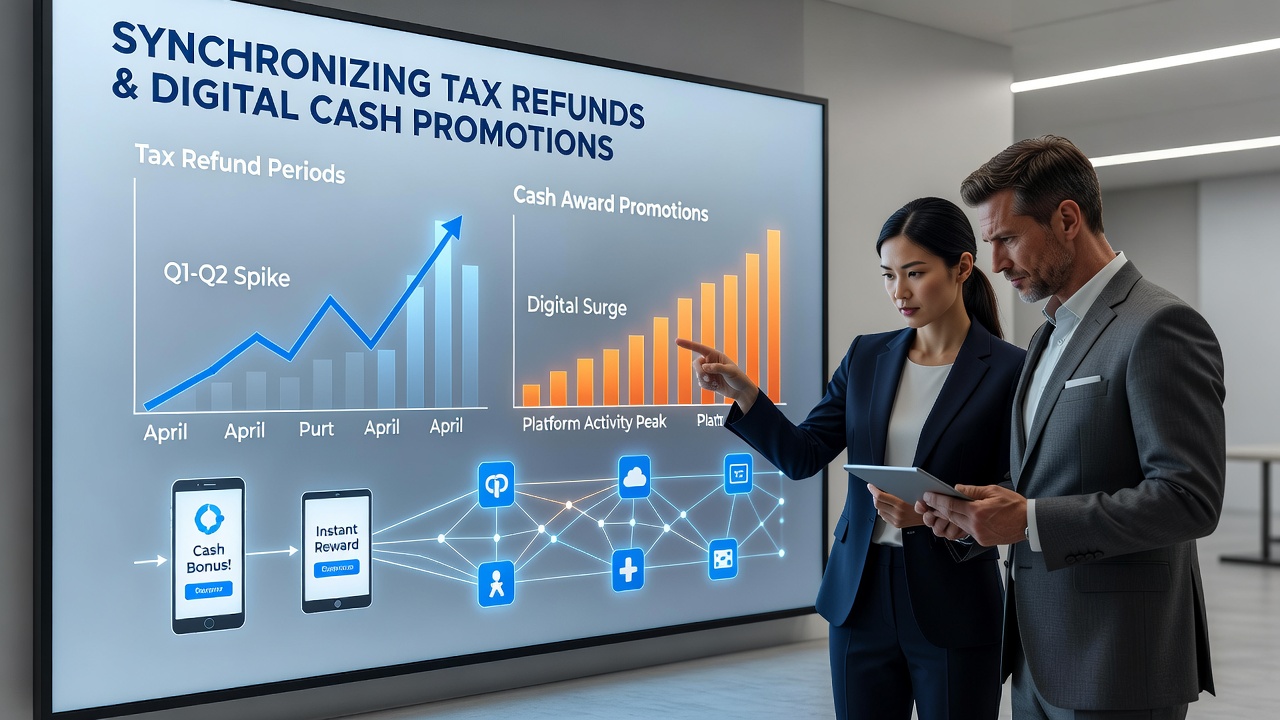
Tax refund periods in the United States generally span February through May, when the Internal Revenue Service processes and distributes the majority of individual income tax returns according to official IRS processing data. This window coincides with measurable increases in cash award promotions hosted across digital contest platforms, creating observable synchronization patterns that researchers track through entry volume metrics and promotional calendars.
Timing Patterns in Refund Distribution
The IRS issues over 70 percent of refunds within 21 days of e-filing during peak season, releasing billions of dollars that recipients often direct toward discretionary purchases and online activities. Digital platforms respond by scheduling cash award events to align with these inflows, as consumer search behavior for giveaways and sweepstakes rises sharply in March and April based on aggregated platform analytics from multiple regions.
Platform Activity Data During Refund Windows
Entry logs from major digital contest sites reveal consistent spikes in participation rates that track refund disbursement schedules, with some platforms reporting 30 to 45 percent higher daily submissions in the weeks following large-scale IRS payouts. These surges appear across both free-entry cash draws and brand-sponsored award cycles, suggesting operators adjust launch dates to capture heightened user engagement during periods of increased household liquidity.
Similar correlations surface in other jurisdictions with annual tax return cycles, including data from the Canada Revenue Agency that shows parallel upticks in promotional traffic during March and April refund periods north of the border.
Consumer Search and Entry Behavior Shifts
Search volume for terms such as "cash giveaways" and "instant win contests" climbs steadily from late February onward, according to publicly available trend data from multiple analytics providers. Those who've examined these patterns note that users frequently combine refund-related queries with contest searches, indicating a direct behavioral link between receiving funds and exploring digital reward opportunities.
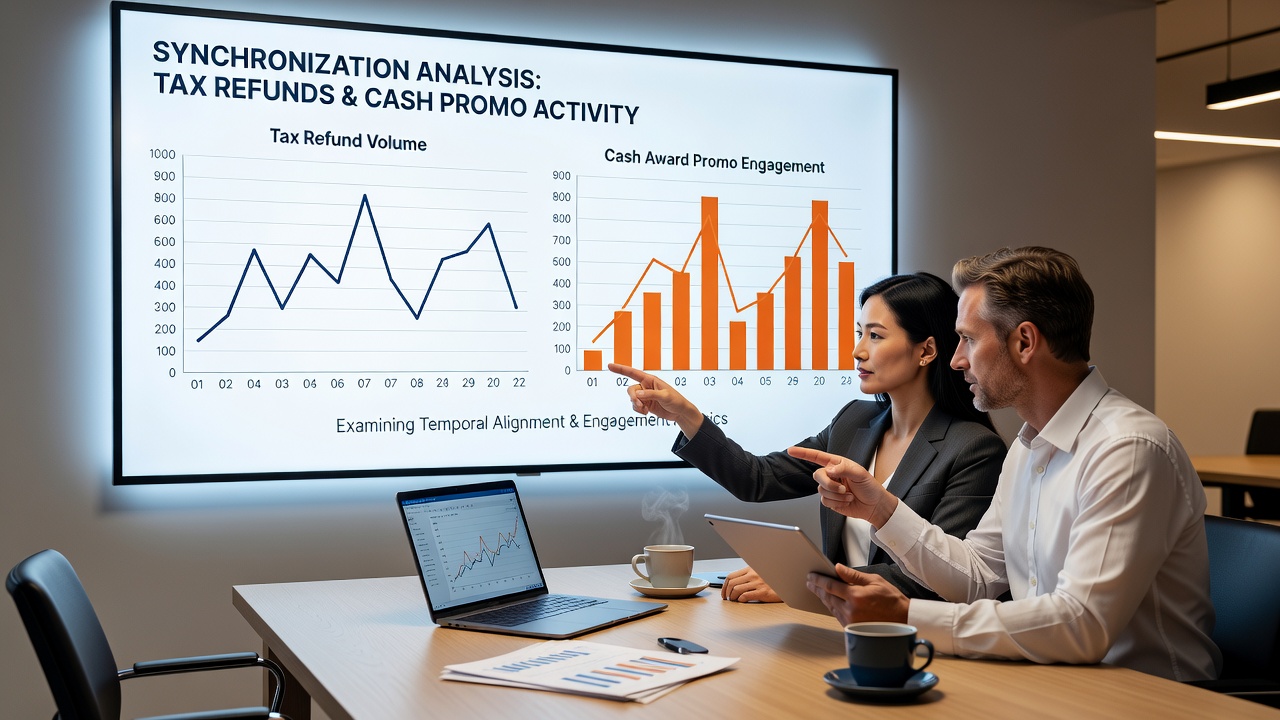
Platform operators adjust their content calendars accordingly, releasing batches of new cash award promotions in early March to capitalize on this window. The approach mirrors historical patterns observed in retail sectors, where spending on discretionary categories rises immediately after refund deposits clear bank accounts.
Brand Collaboration Adjustments
Brand partners involved in multi-platform giveaways frequently time their contributions to overlap with refund season, citing higher conversion rates when participants have recent liquidity. Industry reports from research groups tracking promotional marketing document these strategic shifts, with some campaigns extending entry periods through April to maintain momentum created by the initial refund-driven traffic.
Academic studies examining consumer behavior cycles further support these observations, showing that households receiving larger average refunds demonstrate elevated engagement with online entertainment and reward-seeking activities during the subsequent 60 days. This timeframe aligns closely with the operational windows chosen by digital contest organizers.
Regional Variations in Synchronization
While the United States exhibits the clearest alignment due to its concentrated refund distribution schedule, other countries display more distributed patterns. Australian Taxation Office records indicate steadier year-round refund processing, resulting in less pronounced seasonal spikes in contest activity compared to North American platforms. European markets show mixed results depending on national tax authority practices, with some regions demonstrating modest increases tied to specific filing deadlines.
These geographic differences help explain why global digital platforms maintain region-specific promotion calendars rather than applying uniform timing across all markets.
Conclusion
Data from tax authorities and platform analytics together illustrate a recurring synchronization between refund disbursement periods and elevated cash award promotion activity on digital channels. Observers tracking these metrics across multiple years find the pattern holds steady despite fluctuations in overall refund totals, pointing to a structural relationship driven by predictable consumer cash flow cycles and platform scheduling practices. Future monitoring through 2026 will likely reveal whether emerging tax policy changes alter the strength of this alignment.