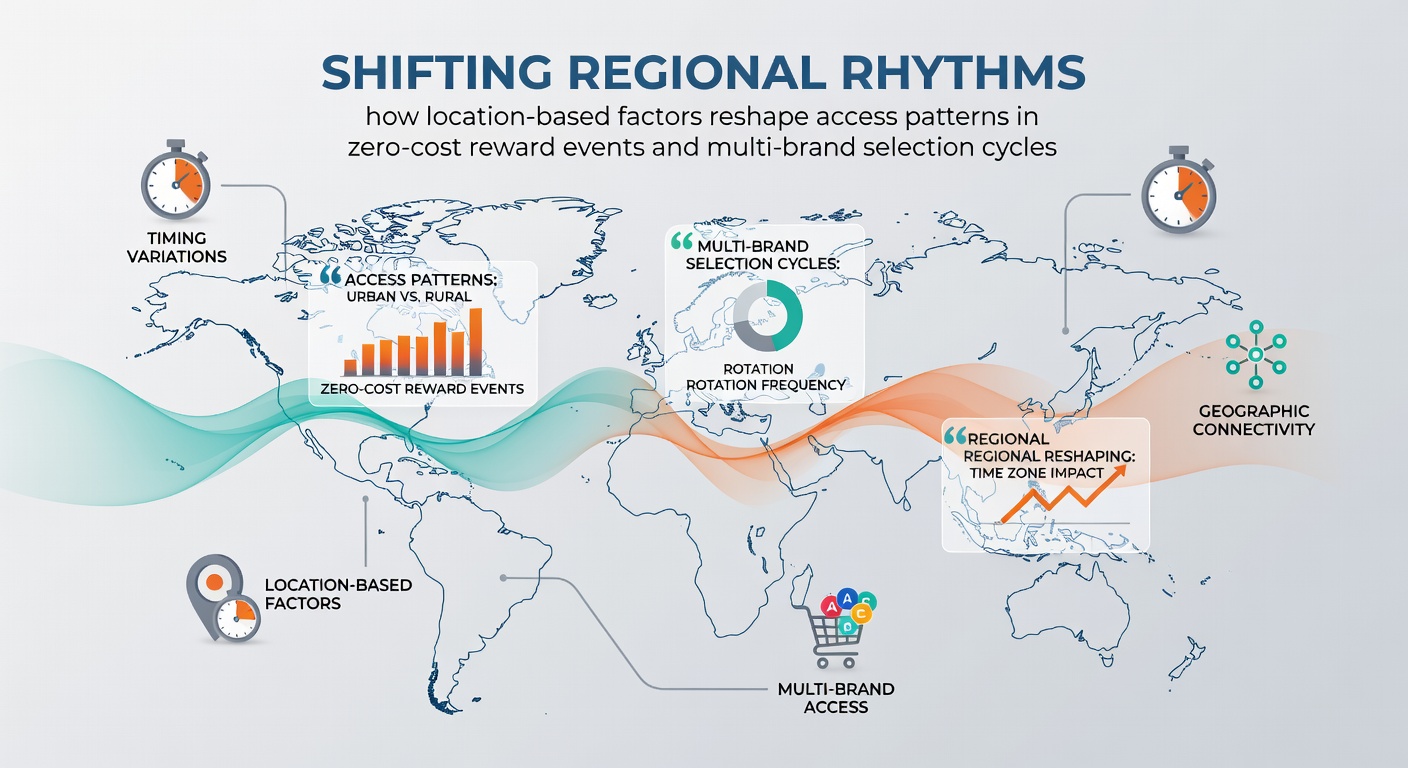
Shifting Regional Rhythms: How Location-Based Factors Reshape Access Patterns in Zero-Cost Reward Events and Multi-Brand Selection Cycles
Zero-cost reward events continue to draw participants from diverse geographic areas, yet location shapes entry opportunities in measurable ways. Time zones create staggered opening periods for daily draws, while regional regulations set distinct eligibility rules that alter how quickly people can join multi-brand selection cycles. Observers note that these patterns emerge clearly when data tracks submission timestamps alongside postal codes.
Multi-brand promotions often coordinate launches across several companies, which means their announcement schedules align with specific market hours. Participants in earlier time zones frequently submit entries before others wake up, and this timing advantage shows up in published winner lists that cluster around certain regions. Data from entry platforms indicates higher completion rates for forms posted between 8 a.m. and noon local time in each zone.
Time Zone Effects on Daily Entry Windows
Entry portals for free contests typically reset at midnight in the sponsor's headquarters time zone, which creates uneven starting points for users elsewhere. Someone in the Pacific region might see a new multi-brand draw appear at 9 p.m. the previous evening, whereas East Coast participants encounter the same opportunity at midnight. Studies of timestamp logs reveal that early submitters from western locations accumulate more entries per cycle when promotions run for fixed 24-hour periods.
Seasonal daylight changes further shift these rhythms. During months when evenings stay lighter, rural participants report increased mobile access after work hours, while urban users rely more on fixed broadband connections during commute times. Platform analytics show corresponding spikes in form completions that track with local sunset patterns rather than a universal clock.
Regulatory Differences Across Regions
Legal requirements vary by jurisdiction and directly affect which zero-cost events remain open to residents. Some provinces require age verification tied to local identification databases, while others accept simple checkbox declarations. These procedural steps change completion rates, because users in stricter areas spend extra minutes navigating forms that participants elsewhere finish in under thirty seconds.
According to the Federal Trade Commission guidelines, disclosure standards for prize values and odds must appear in every promotion, yet enforcement timing differs by state. Companies running multi-brand cycles therefore stagger rule updates to satisfy overlapping requirements, which in turn delays full rollout in certain territories until May 2026 compliance deadlines take effect for several cross-border campaigns.
Urban and Rural Access Patterns
Broadband availability influences how participants interact with selection cycles that involve multiple entry methods. Urban centers maintain higher densities of fiber connections, allowing simultaneous submissions across several brand portals without lag. Rural locations often depend on mobile networks that throttle during peak evening hours, reducing the number of completed entries per person during the same window.
Device type also correlates with geography. Research from the Canadian Competition Bureau shows laptop usage dominates in suburban areas for longer forms, whereas smartphone entries rise sharply in metropolitan zones where users check promotions during transit. These hardware differences affect success rates in multi-brand events that include photo uploads or extended questionnaires.
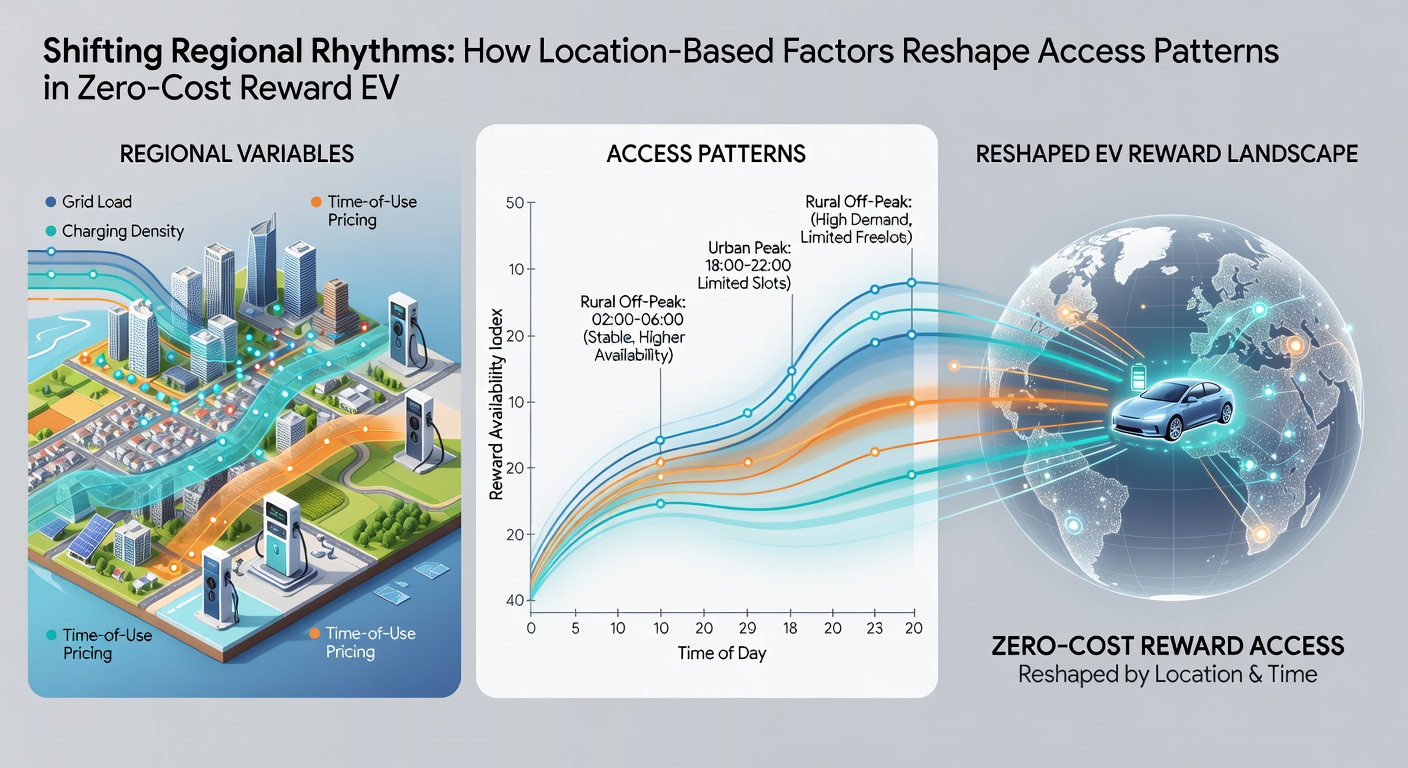
Community events sometimes amplify these location effects. Local libraries in smaller towns host group entry sessions for partnered prize promotions, creating concentrated bursts of activity that appear as regional clusters in overall participation data. City-based users rarely gather in the same way, instead distributing submissions across individual schedules.
Multi-Brand Cycles and Geographic Targeting
Brand partnerships adjust prize pools and entry mechanics based on regional market priorities. A campaign combining a national retailer with a regional beverage company might limit certain prize tiers to specific provinces to meet distribution agreements. Participants outside those zones encounter fewer options within the same cycle, which alters overall selection dynamics.
Turns out that language and currency settings also steer access. Platforms serving multiple countries automatically filter visible promotions according to detected location, so users see only the subset of multi-brand draws available in their area. This filtering reduces the total number of cycles presented to international participants compared with domestic ones, even when the underlying events accept global entries.
Industry reports from the Australian Competition and Consumer Commission track how these filters affect complaint volumes, noting that mismatched regional displays generate the majority of inquiries about missing promotions. Companies respond by publishing clearer location-based availability lists, which in turn helps participants identify the correct cycles faster.
Conclusion
Location continues to determine the precise rhythm of access to zero-cost reward events and multi-brand selection cycles through time zones, regulations, infrastructure, and targeting choices. Patterns in entry data reflect these factors consistently, and upcoming compliance milestones in May 2026 will likely introduce additional regional variations as sponsors update their processes. Observers tracking these developments expect participation maps to shift further as platforms refine location-aware features.