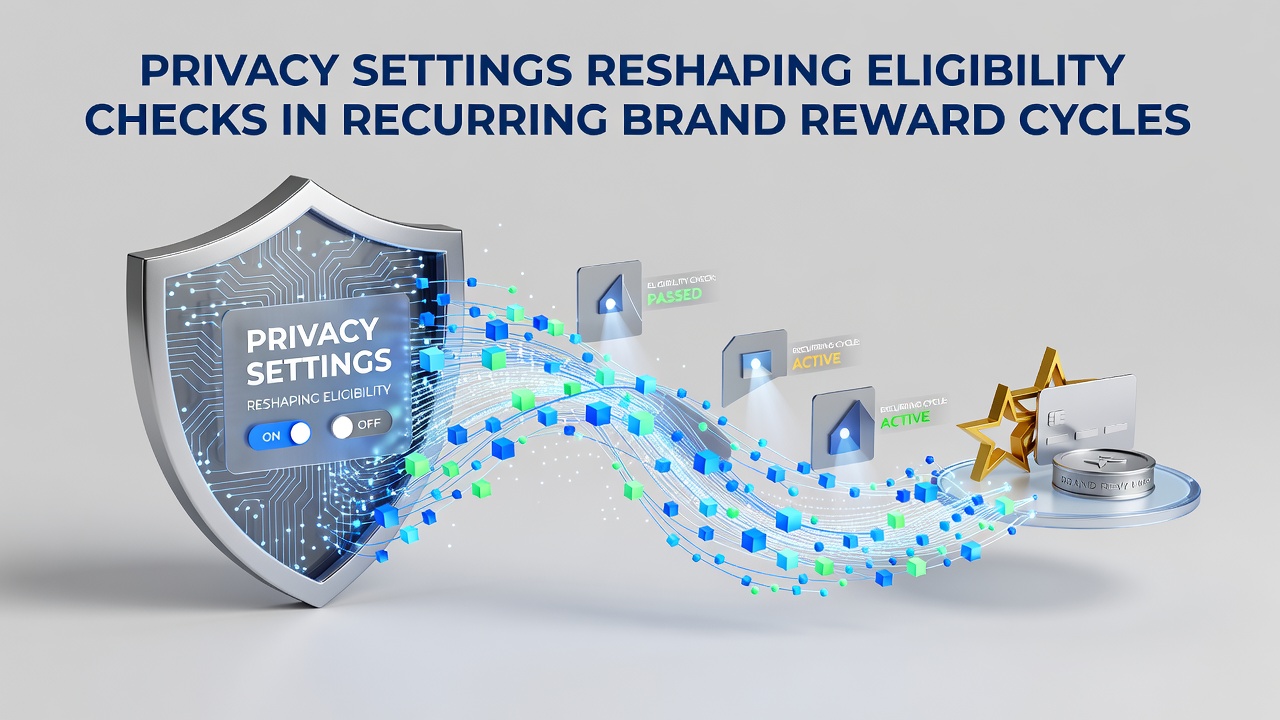
Privacy Settings Reshaping Eligibility Checks in Recurring Brand Reward Cycles
Privacy configurations on digital platforms now influence how brands verify participant eligibility within ongoing reward programs that repeat on monthly or quarterly schedules. These settings determine the flow of personal identifiers such as device tokens, browser cookies, and account linkages that systems rely upon to confirm prior participation and prevent duplicate claims. Data from industry tracking shows that changes in user-controlled privacy options directly alter the accuracy of automated checks during peak periods like August 2026 when many brands refresh their annual reward cycles.
Core Mechanisms Behind Eligibility Verification
Recurring brand reward cycles operate through backend processes that cross-reference user data against historical records before granting access to new entries or prizes. Eligibility algorithms scan for patterns including repeat IP addresses, email hashes, and mobile advertising identifiers yet privacy toggles on operating systems and browsers frequently block or limit this data exchange. Researchers at academic institutions have documented how iOS App Tracking Transparency prompts introduced in prior years continue to reduce the pool of shareable signals available to marketers in 2026. One analysis of promotional campaigns found that opt-out rates above 60 percent correlate with higher rates of incomplete verification attempts during recurring selection windows.
Brands respond by shifting toward first-party data collected through direct account logins and loyalty program memberships where users explicitly consent to tracking for reward purposes. This transition maintains compliance while preserving the ability to detect multiple claims across cycles. Government reports from the Federal Trade Commission outline requirements for transparent data handling in such promotional contexts and emphasize that consent mechanisms must remain granular to avoid eligibility disputes.
Regional Regulatory Influences on Data Access
Privacy frameworks vary by jurisdiction and shape how eligibility systems function across borders in global reward programs. In the United States, state-level laws such as those in California require clear disclosures about data use in marketing databases whereas European standards under GDPR mandate explicit opt-in for cross-border data transfers used in verification. Australian privacy regulators similarly enforce rules that limit secondary use of consumer information in recurring promotions and this creates parallel adjustments in how brands structure their checks. Observers note that companies operating multi-region campaigns often segment their databases by consent status to align with these differing rules and maintain operational continuity through August 2026 updates.
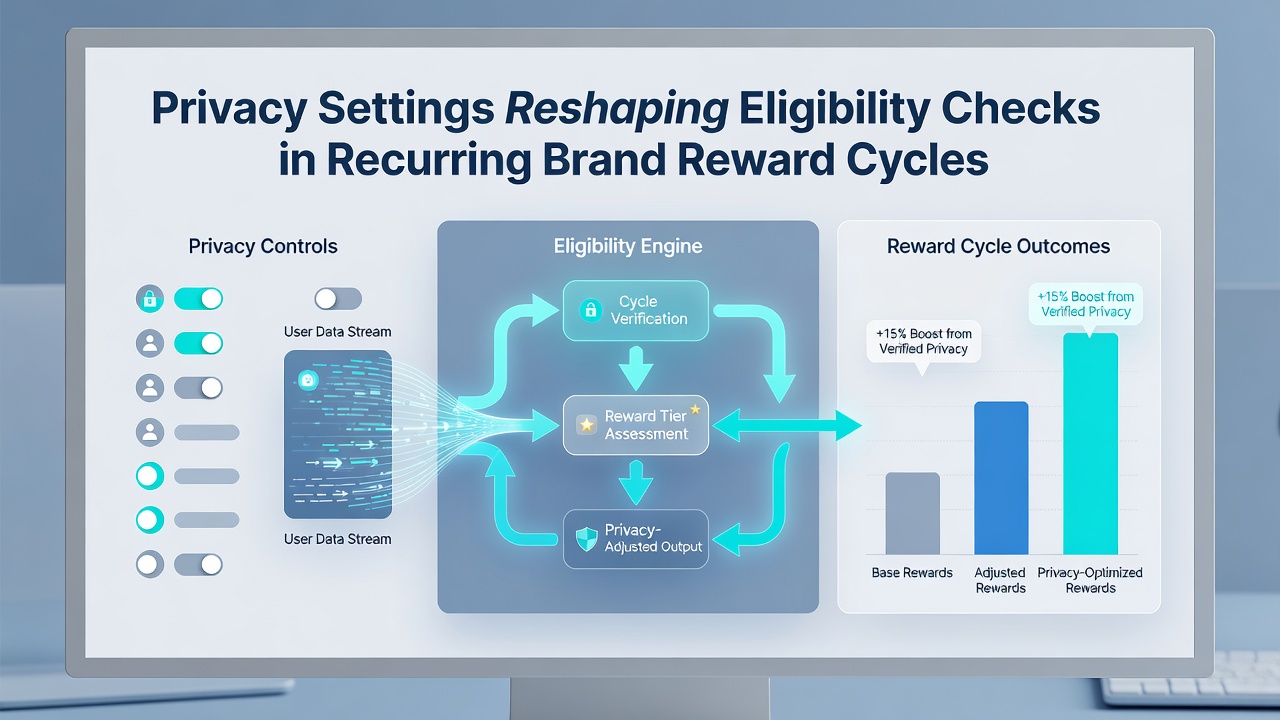
Technological Adaptations in Verification Processes
Technical teams now deploy privacy-preserving methods including differential privacy techniques and hashed identifiers that allow matching without exposing raw personal details. These approaches enable recurring reward platforms to confirm eligibility status while respecting user settings that restrict full tracking. Studies from research organizations indicate that adoption of such methods increased notably between 2024 and 2026 as platforms updated their APIs to support limited data sharing. Brands that integrate these tools report fewer verification failures compared with those relying solely on legacy cookie-based systems.
Yet limitations persist because certain privacy configurations still prevent even anonymized matching when users activate strict modes across multiple devices. Program administrators therefore encourage participants to maintain consistent account credentials that bypass some tracking barriers through direct authentication rather than passive signals. This strategy supports the smooth operation of daily or weekly reward distributions within longer cycles.
Effects on Participation Patterns and System Design
Participation data reveals shifts in how users engage with recurring rewards once privacy settings tighten eligibility pathways. Those who restrict data sharing encounter more frequent requests for manual verification steps such as email confirmation or additional profile details. Figures from consumer behavior reports show elevated drop-off rates at these points during high-volume periods. In response, brands refine their interfaces to streamline consent flows and reduce friction while still satisfying regulatory standards for data collection in promotional activities.
Case examples include loyalty networks that added layered permission screens allowing selective sharing for reward eligibility only without broader tracking permissions. Such designs help sustain engagement across repeated cycles and reflect ongoing adjustments observed through mid-2026.
Conclusion
Privacy settings continue to drive evolution in eligibility verification for recurring brand reward cycles by constraining traditional data pathways and prompting adoption of consent-based and privacy-enhanced alternatives. Regulatory variations across regions combined with platform-level controls shape the technical landscape that brands navigate to maintain accurate checks. As systems incorporate new methods in periods such as August 2026 the interplay between user choices and verification reliability remains a central factor in program administration.