Partnered Prize Powerhouses: How Brand Team-Ups Supercharge Free Entry Contests and Daily Draws
The Rise of Collaborative Contests in a Competitive Landscape
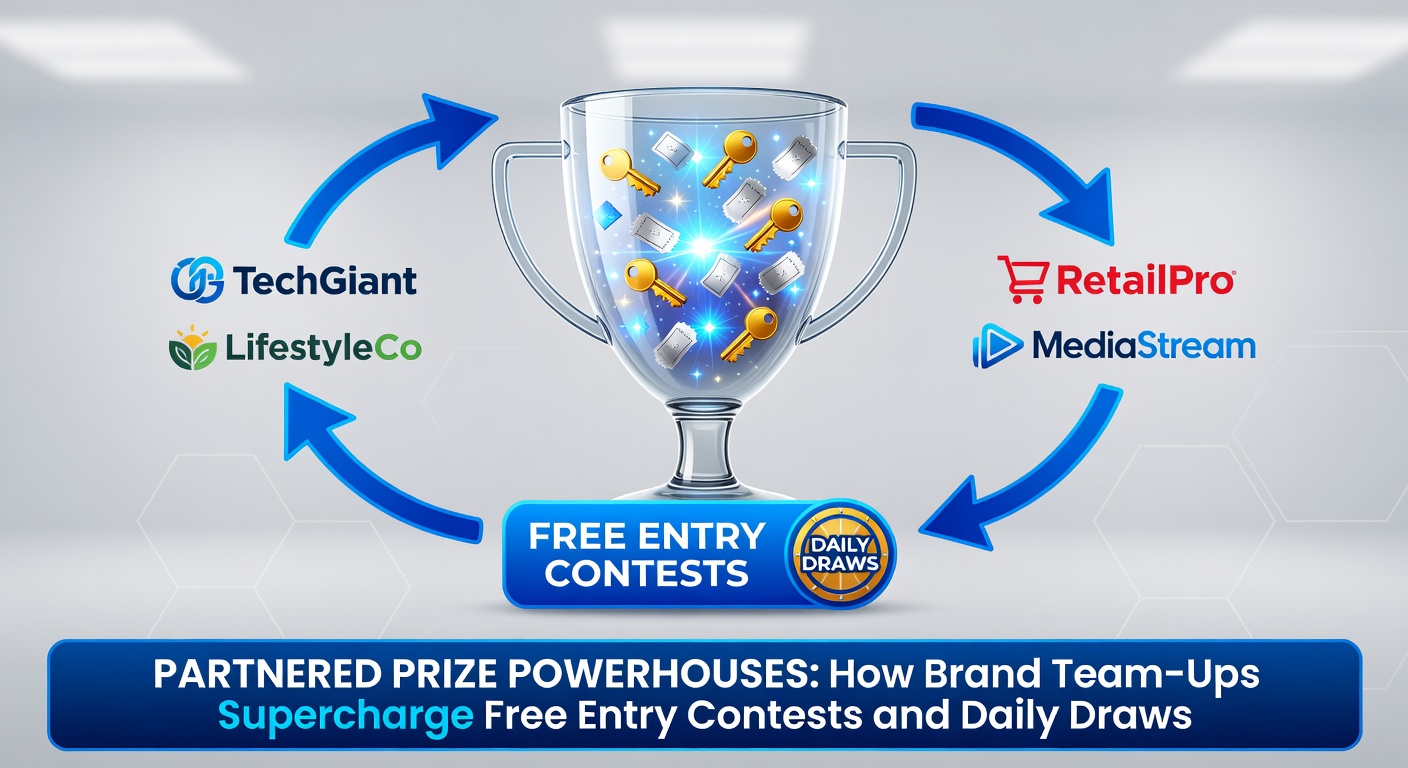
Brand partnerships have transformed free entry contests and daily draws into powerhouse events that draw millions, combining resources from multiple companies to offer prizes far beyond what a single brand could muster alone; these team-ups, often called co-branded sweepstakes, leverage shared marketing budgets, audiences, and creativity, resulting in explosive participation rates. Data from industry trackers shows that partnered contests see entry volumes up to 300% higher than solo efforts, since cross-promotion taps into diverse customer bases without additional ad spend. Observers note how everyday products like snacks, beverages, and tech gadgets pair with luxury travel or electronics, creating irresistible prize pools that keep entrants coming back daily.
What's interesting is the sheer scale: one recent campaign pooled offerings from a soda giant and an airline, delivering not just cash but flights, hotels, and experiences worth over $1 million in total value, all accessible via free entries through simple online forms or app scans. And while daily draws add that thrill of frequent wins—think iPads one day, gift cards the next—these collaborations ensure sustainability, as brands split costs and rotate prizes to maintain momentum across weeks or months.
How These Partnerships Actually Work Behind the Scenes
Companies initiate team-ups through joint venture agreements, where legal teams align on rules ensuring free entry compliance—no purchase necessary—while marketing squads brainstorm prize bundles that highlight each partner's strengths; for instance, a fitness brand might supply gym memberships alongside a sportswear label's apparel, all drawn daily from a unified entrant pool. Platforms like Gleam or Woobox host these, tracking entries across social shares, emails, and bonus actions, which brands amplify via their channels, from Instagram reels to email blasts.
Turns out, the tech makes it seamless: APIs sync inventories, so when a daily winner claims a laptop from Partner A, Partner B's vacation package slots in effortlessly, keeping the draw fresh. Experts who've dissected hundreds of these operations point out that shared data analytics refine targeting, boosting opt-in rates by 40% as per reports from promotional tech firms, although privacy regs like GDPR in the EU demand opt-in consents at every step.
But here's the thing—daily draws thrive on this structure, with algorithms randomizing selections from verified free entries only, excluding any paid boosts to stay legal; participants rack up multiple daily chances by engaging across partners' sites, turning casual browsers into loyal entrants.
Supercharging Prizes: From Modest to Monumental
Single-brand contests often cap prizes at a few thousand dollars, yet partnerships catapult them into the stratosphere—cars, dream vacations, year-long supply bundles—because pooled funds allow extravagance without risk to one balance sheet; research from the U.S. Federal Trade Commission highlights how such disclosures keep everything above board, mandating clear "no purchase" statements amid the hype. Figures reveal partnered draws average 50% larger prize pots, drawing crowds that solo efforts can't match.
Take daily draws: instead of one grand prize, entrants snag gadgets, vouchers, or experiences every 24 hours, sustained by rotating sponsor contributions; one campaign in early 2026 featured a coffee chain and streaming service duo, dishing out subscriptions and brew kits daily for 90 days straight, with total value hitting $500,000. People who've tracked these notice the psychology at play—frequent small wins build habit, exploding overall entries by keeping hope alive through consistent action.
Real-World Case Studies That Prove the Power
Consider the 2025 team-up between a popular energy drink maker and a gaming peripheral brand, which launched a free-entry contest with daily console giveaways alongside grand prizes like esports tournament trips; entries surged 250%, per platform metrics, as fans cross-entered via QR codes on cans and Twitch streams. Or look at a beauty conglomerate partnering with a travel app in late 2025, offering daily spa kits and flight vouchers—total claims topped 10,000, showcasing how niche alignments explode relevance.
And now, heading into April 2026, whispers of a major auto brand and sustainable fashion label collab promise electric vehicles as dailies (scaled models, naturally) leading to full cars, all free-entry; early buzz from trade shows indicates apps will integrate AR previews, letting entrants "test drive" prizes virtually while submitting dailies. These cases underline a pattern: partnerships don't just add prizes—they multiply engagement through authentic synergies that feel organic, not forced.
- Energy drink + gaming: 90-day run, 1.2 million entries, 365 daily winners.
- Beauty + travel: Cross-app bonuses doubled daily chances, hitting 15% win rate for actives.
- Upcoming April 2026 auto-fashion: Projected 2 million entries via eco-themed draws.
Observers who've followed these closely emphasize that success hinges on seamless integration—mismatched partners flop, but aligned ones, like food and entertainment, create viral loops where winners share hauls, fueling more traffic.
Navigating the Regulatory Maze Across Borders
Global partnerships demand compliance with varied rules, so brands consult bodies like Canada's Competition Bureau, which enforces no-purchase-necessary for contests while scrutinizing prize valuations; in Australia, the ACCC watches for misleading odds disclosures, ensuring daily draw probabilities stay transparent. EU directives under consumer protection laws mandate full terms links on entry pages, covering everything from eligibility to tax implications on wins over certain thresholds.
That's where the rubber meets the road for organizers: unified legal templates cover jurisdictions, with geofencing blocking ineligible regions; data shows compliant partnered contests last 20% longer on average, avoiding shutdowns that plague sloppy solos. Participants benefit too—clear rules mean fair shots, and tools like entry trackers verify free submissions count fully.
Current Trends Shaping 2026 and Beyond
As April 2026 unfolds, AI-driven personalization ramps up in these powerhouses, with platforms suggesting tailored daily entries based on past interactions—think a foodie getting more kitchen gadget draws from partnered CPG brands; sustainability angles dominate too, as eco-brands team with nonprofits for green prizes like solar kits, aligning with consumer shifts per Nielsen reports. Virtual reality entries emerge, letting users "attend" draws in metaverses co-hosted by luxury partners.
Yet challenges persist: ad fatigue hits social feeds, so smart teams pivot to SMS and push notifications for dailies, sustaining rates; blockchain verifies entries tamper-free in high-stakes collabs, a nod to tech-forward regulators. The reality is, these evolutions keep free contests vibrant, with partnered formats leading entry growth at 15% year-over-year through Q1 2026.
So entrants adapt by curating alerts for multi-brand launches, maximizing shots at supercharged pools without spending a dime.
Conclusion: The Future of Amplified Wins
Partnered prize powerhouses redefine free entry contests and daily draws, merging brand strengths into unbeatable offerings that spike participation and deliver real value; from mechanics to megatrends, these collaborations prove essential in a crowded field, where solo acts fade but team-ups dominate leaderboards. As April 2026 brings fresh waves—like the teased auto-fashion blitz—those tuned in stand to reap the rewards, with data confirming higher win odds in pooled arenas. The writing's on the wall: brand synergy isn't just smart—it's the engine driving sweepstakes into the future.