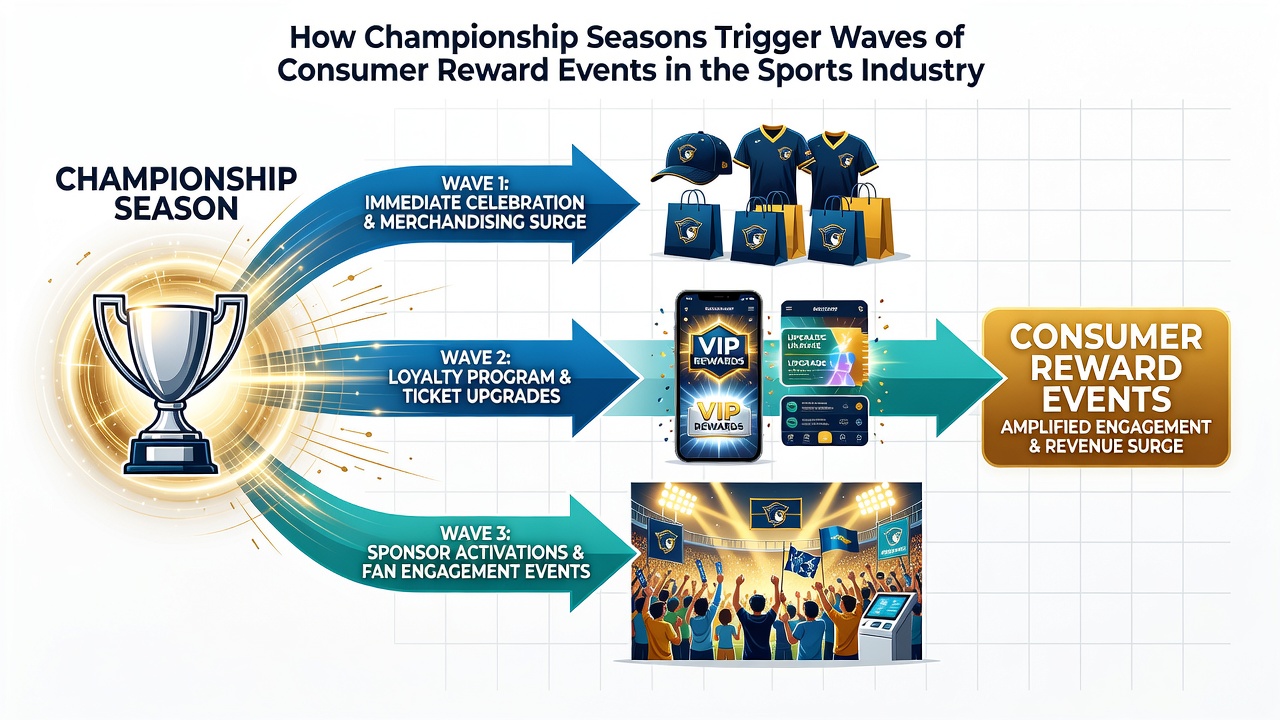
How Championship Seasons Trigger Waves of Consumer Reward Events in the Sports Industry
Championship seasons across major sports leagues consistently coincide with expanded consumer reward programs, as brands align promotional calendars with peak audience attention periods. Data from sports marketing analyses indicate that periods surrounding events such as the Super Bowl, NBA Finals, and international soccer tournaments produce measurable increases in contest entries, giveaway participation, and multi-brand reward cycles. These patterns emerge because championship timelines create concentrated windows of media exposure that companies leverage through coordinated promotional campaigns.
Timing Patterns in League Calendars
Observers note that North American leagues structure their seasons to culminate in high-visibility finals, which then trigger immediate follow-on promotions. The NBA playoff schedule, for instance, extends into June, after which participating teams and league sponsors often launch reward events tied to championship merchandise and fan experiences. Similarly, the NFL postseason builds through January adn February, creating sustained promotional activity that extends into spring training periods. International calendars follow comparable rhythms, with the FIFA World Cup scheduled to begin in June 2026 across host venues in the United States, Canada, and Mexico, positioning July 2026 as a focal point for coordinated consumer reward activations.
Brand Activation Strategies During Peak Periods
Companies coordinate reward events with championship outcomes because viewership metrics rise sharply during these windows. Research compiled by industry groups shows elevated participation rates in free-entry contests and daily draws when promotions reference specific teams or players who advanced through playoff rounds. Multi-brand collaborations frequently appear during these cycles, where retailers partner with apparel manufacturers and beverage companies to offer bundled prize selections. The alignment occurs because consumer attention remains elevated for weeks after decisive games, allowing brands to maintain engagement through sequential reward offerings rather than isolated campaigns.
Geographic and Demographic Distribution of Reward Events
Participation data reveal that urban markets with higher concentrations of franchise teams experience denser networks of localized reward events during championship seasons. Population centers hosting playoff games often see additional entry mechanisms tied to in-stadium promotions and regional retail partnerships. Demographic tracking indicates that younger adult cohorts maintain higher entry frequencies during these periods, correlating with increased mobile access to contest platforms. Figures released by the Sports & Fitness Industry Association demonstrate consistent year-over-year growth in promotional entries during championship months compared to regular season baselines.
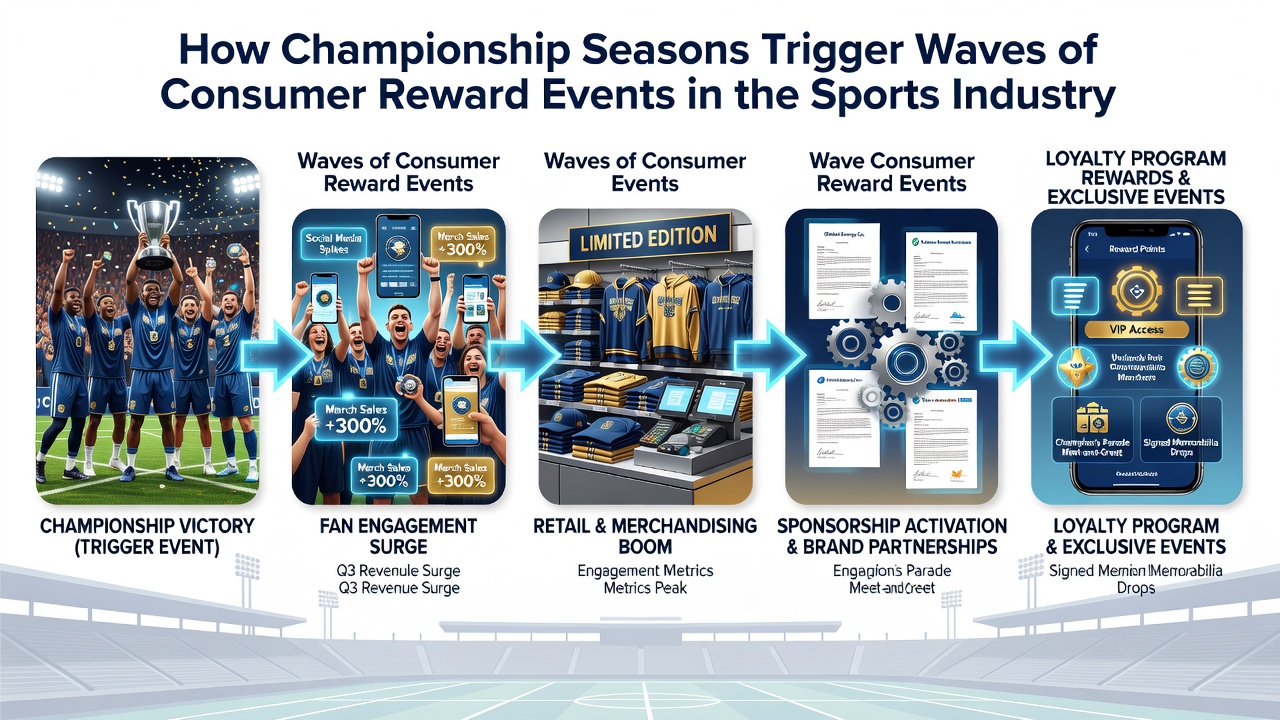
Media and Digital Amplification Effects
Digital platforms extend the reach of championship-triggered rewards by enabling real-time updates and targeted notifications. Algorithms that surface contest opportunities often prioritize content related to recent championship developments, creating feedback loops that sustain participation beyond the immediate post-game period. Studies conducted by academic researchers at institutions tracking consumer behavior patterns document how social sharing of reward entries increases when users reference championship results or team performances in their submissions. This amplification occurs across multiple channels simultaneously, including email campaigns, app notifications, and web-based portals operated by brand networks.
Industry Measurement and Regulatory Context
Trade organizations compile annual reports that quantify the volume of reward events launched in connection with championship seasons. According to data published by the Competition Bureau Canada, promotional activity in consumer goods categories rises measurably when sports calendars reach their conclusion points. Similar tracking by Australian Competition and Consumer Commission reports shows parallel increases in multi-brand selection cycles during overlapping international tournament periods. These measurements help regulators and industry participants understand how championship timing influences the frequency and structure of consumer reward mechanisms across different jurisdictions.
Conclusion
Championship seasons function as predictable catalysts for expanded consumer reward programming in the sports industry because they concentrate audience attention and media coverage into defined timeframes. The resulting promotional waves encompass coordinated contests, giveaways, and partner activations that extend from immediate post-event periods into subsequent months. Patterns observed across multiple leagues and geographic regions demonstrate consistent alignment between championship calendars and reward event deployment, wth measurable effects on participation metrics and campaign structures. As the 2026 FIFA World Cup approaches its July phase, these established rhythms are expected to generate another cycle of heightened activity across participating markets.