Demographic Influences on Access Equity in Cross-Brand Free Reward Programs
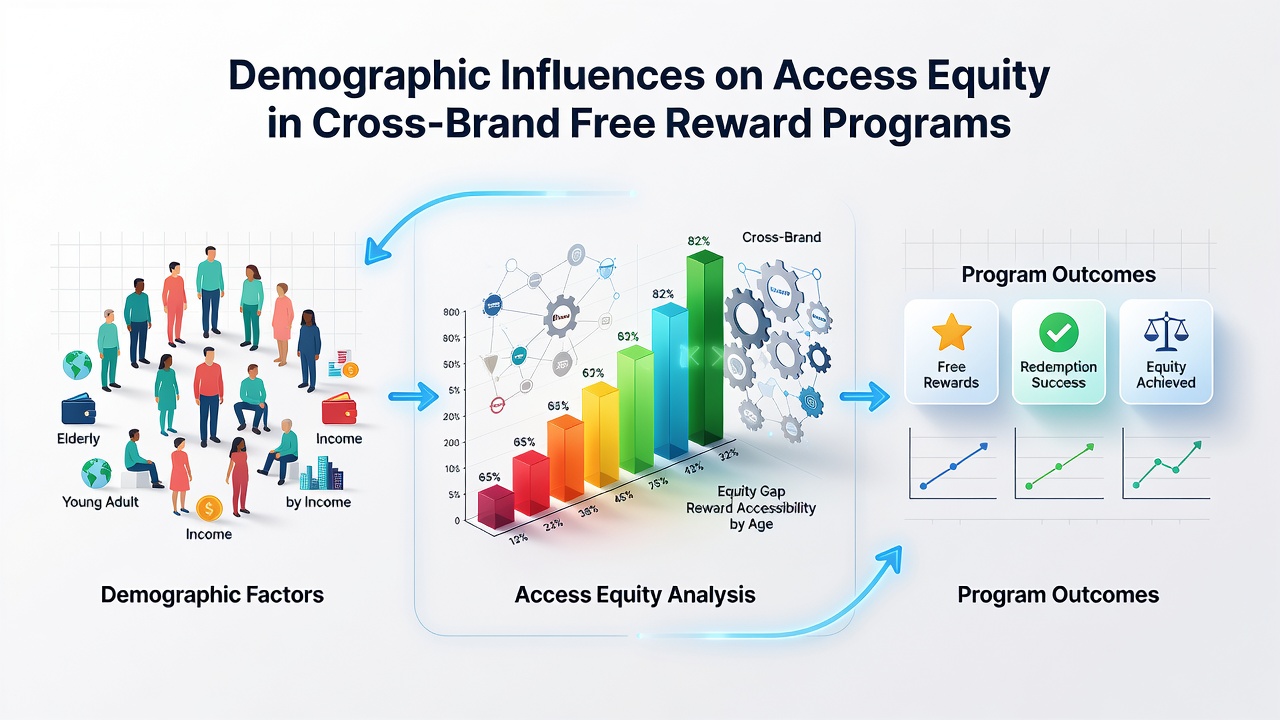
Cross-brand free reward programs have expanded significantly in recent years, allowing participants to earn entries or points across multiple partner brands through shared promotional platforms. These systems connect daily consumer activities with chances at cash, products, or experiences, yet access patterns vary based on demographic characteristics that shape awareness, digital connectivity, and eligibility. Researchers examining these programs note consistent differences tied to age, income, education, and location, which collectively influence who enters and who succeeds in multi-brand cycles. Age groups show distinct participation profiles in these reward networks. Younger adults between 18 and 34 often register through mobile apps and social integrations that brands promote, while those over 55 encounter barriers when programs require specific online verification steps or app downloads. Data from national surveys indicate that digital literacy gaps widen these divides, particularly when programs launch new features without offline alternatives. In August 2026, several major retail coalitions updated their joint reward portals to include voice-activated entry options, aiming to reduce friction for older demographics that previously relied on desktop submissions. Income levels further shape entry opportunities across these platforms. Households earning below median thresholds participate at lower rates when programs tie eligibility to recent purchases or premium subscriptions, even though the core rewards remain free. Studies tracking nationwide promotional activity reveal that lower-income groups cluster around events advertised through public channels like email lists or community boards, whereas higher earners access additional layers through targeted brand partnerships. This pattern holds steady even as programs expand, because notification timing and device access continue to favor those with stable internet plans.
Geographic and Ethnic Patterns in Program Reach
Location plays a measurable role in how cross-brand programs distribute opportunities. Urban residents gain quicker access to real-time updates and partner store locations, while rural participants face delays from slower broadband or fewer physical redemption points. Census figures show rural households trail urban ones in high-speed internet adoption by roughly 15 percentage points, directly affecting entry windows that close within hours. Programs operating across state lines must also navigate varying rules on age verification and tax reporting, which adds complexity for participants in different regions. Ethnic and racial demographics intersect with these access issues in documented ways. Data collected by the U.S. Census Bureau highlight that certain groups maintain lower average rates of smartphone ownership with updated operating systems, limiting participation when apps require the latest security protocols. Language availability in program materials also influences reach, since many joint promotions default to English-only interfaces despite serving diverse populations. Observers tracking these trends point to gradual improvements when brands add multilingual support, yet gaps persist in automated selection processes that pull from user profiles.
Education, Gender, and Digital Footprint Effects
Education attainment correlates with success in navigating the layered requirements of multi-brand entries. Individuals holding college degrees more readily complete multi-step registrations and track points across partner dashboards. Those with lower formal education levels show reduced engagement when programs shift to AI-driven personalization that assumes prior familiarity with digital tools. Research from academic institutions tracking consumer behavior confirms these patterns without attributing them to motivation differences alone. Gender distributions in reward program data appear relatively balanced in aggregate tallies, though specific categories reveal variances. Women participate more frequently in beauty and household product tie-ins, while men show higher rates in electronics and automotive cross-promotions. These preferences align with broader purchasing records rather than inherent program design, yet they affect overall visibility for certain demographic segments within shared reward pools.
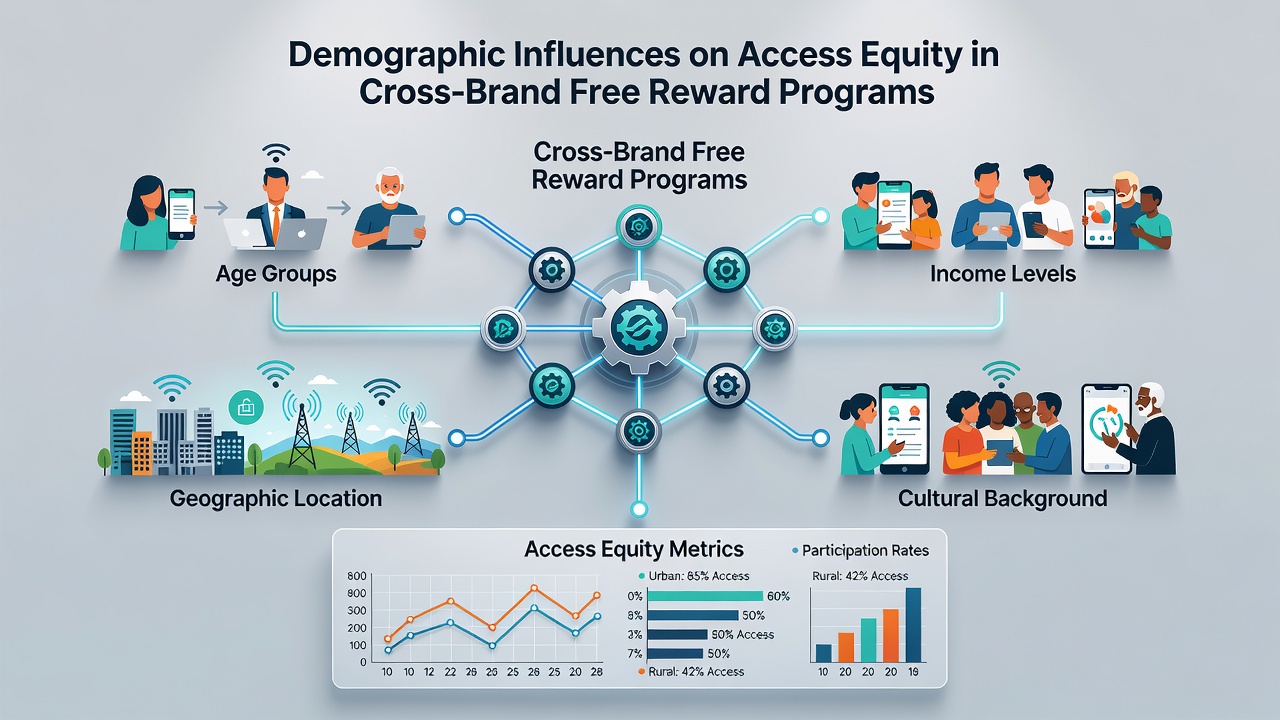
Digital footprint size influences automated selection outcomes because many programs weight prior engagement history. Users who maintain active profiles across multiple brand sites receive more frequent prompts and bonus entries, creating cumulative advantages for demographics already comfortable with data sharing. Privacy concerns among certain age and ethnic groups lead to lower profile completion rates, which in turn reduces visibility in selection algorithms.
Policy Responses and Ongoing Adjustments
Regulatory bodies in multiple regions have begun examining these equity questions. The Federal Trade Commission issued guidance in 2025 encouraging clearer disclosure of eligibility criteria across promotional platforms, while Eurostat reports on digital inclusion continue to inform European brand coalitions about connectivity gaps. Canadian and Australian statistical agencies have released parallel datasets showing similar demographic skews in reward program uptake, prompting some operators to test simplified entry methods. Adjustments implemented by program administrators include expanded offline entry options, broader language support, and partnerships with community organizations to improve outreach. These steps address measurable disparities without altering core selection mechanics, and early indicators suggest modest shifts in participation diversity as of mid-2026. Continued monitoring through public data sources remains essential for tracking whether such changes produce sustained balance across demographic lines.
Conclusion
Demographic factors continue to shape access patterns in cross-brand free reward programs through interconnected channels of technology, communication, and eligibility structures. Available statistics from government agencies and research organizations document persistent differences tied to age, income, location, education, and ethnicity. Program operators respond with incremental modifications, while external data collection supports ongoing evaluation of equity outcomes. These dynamics reflect broader digital participation trends rather than isolated features of any single reward system.