Decoding synchronization between consumer behavior cycles and promotional event frequencies in digital marketplaces
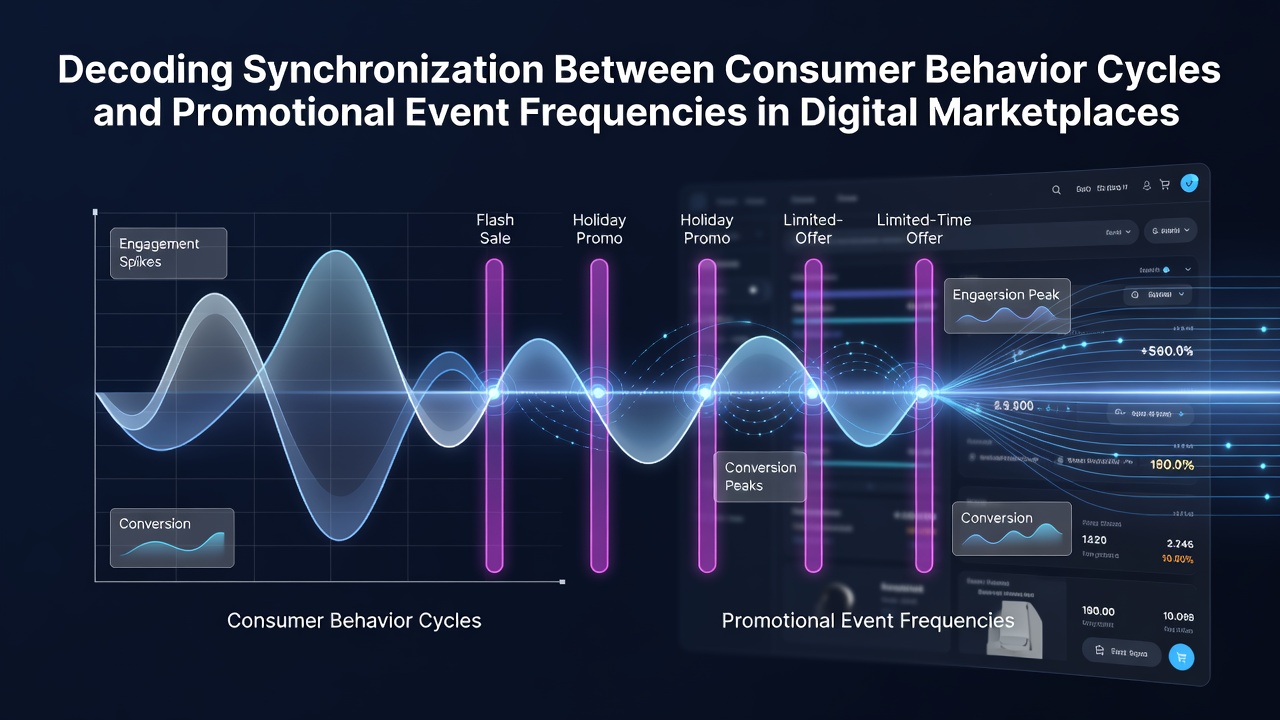
Digital marketplaces track consumer activity through layers of transaction logs and browsing data that reveal recurring cycles in purchasing habits; these patterns often align with the timing and spacing of promotional events designed to match demand peaks. Researchers at institutions studying e-commerce trends have documented how weekly spending surges occur around paydays while longer seasonal waves build toward holidays, and platforms respond by adjusting event frequencies to capture those windows without oversaturating users.
Mapping consumer cycles through transaction data
Transaction records from major platforms show distinct rhythms where daily activity spikes in evenings and weekends while monthly patterns cluster near salary deposits; analysts cross-reference these with external economic indicators to refine timing models. In June 2026, aggregated reports highlighted increased mobile engagement during midday hours across several regions, prompting marketplaces to schedule shorter flash events that coincided with lunch-break browsing sessions. Observers note that such adjustments rely on machine learning systems processing real-time inputs rather than fixed calendars, allowing frequencies to shift based on live signals like cart abandonment rates.
Promotional event spacing and platform strategies
Marketplaces structure events in sequences that range from daily micro-promotions to quarterly mega-sales, with spacing calibrated to prevent fatigue; data from industry analyses indicate that intervals shorter than three days can reduce click-through rates while longer gaps risk missing impulse windows. Platforms operating in competitive sectors often stagger partner brand collaborations across consecutive weeks to maintain steady visibility without direct overlap, creating layered cycles that mirror consumer discovery phases. Those studying digital retail patterns have found that event frequency tends to increase during back-to-school periods yet contracts afterward, following documented drops in discretionary spending tracked by national statistical agencies.
Alignment mechanisms in practice
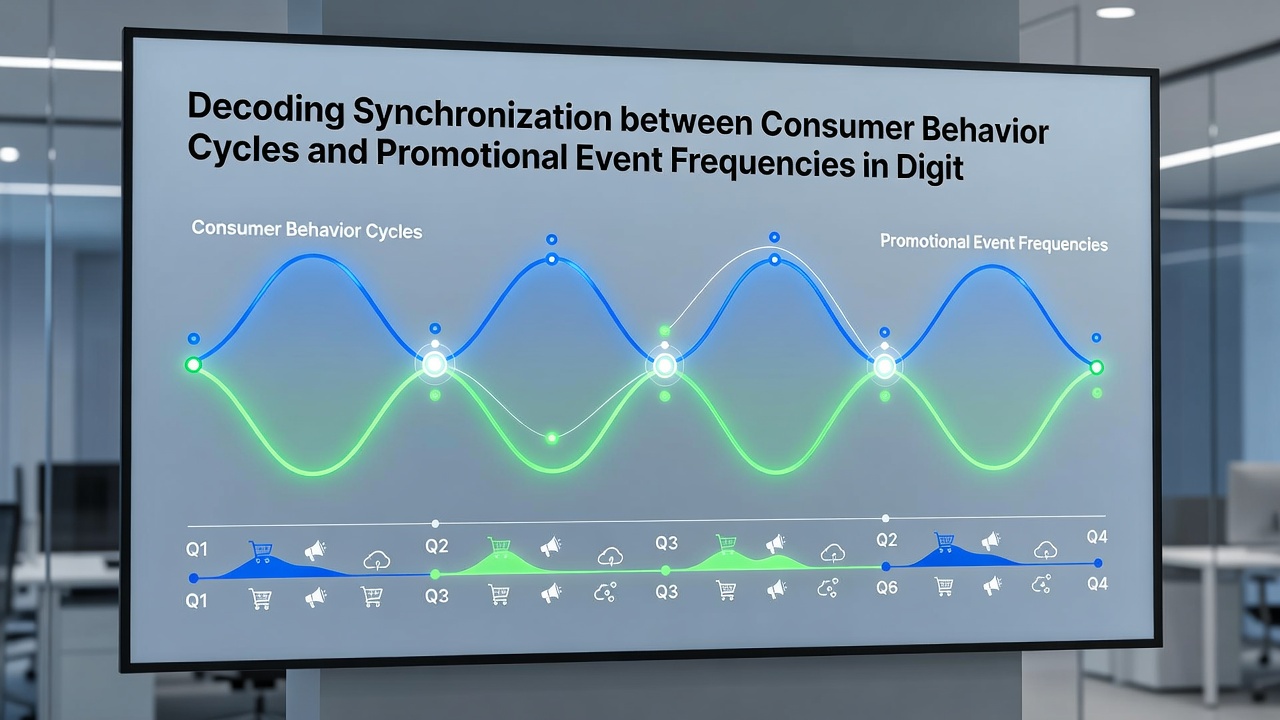
Algorithms integrate behavioral signals with inventory levels to set event cadences, matching high-frequency promotions to categories showing rapid turnover such as electronics accessories while spacing out pushes for durable goods; this synchronization emerges from iterative testing rather than static rules. One analysis of platform logs revealed that synchronized campaigns produced measurable lifts in conversion when timed within 48 hours of observed search volume increases, a pattern replicated across multiple marketplaces. External data sources contribute context, as figures from the Australian Bureau of Statistics on household consumption patterns help calibrate models for regional variations in timing preferences.
Geographic differences further shape these alignments, with urban clusters exhibiting tighter daily cycles compared to broader weekly patterns in suburban areas; marketplaces adapt by varying push notification densities accordingly. Research indicates that mobile app usage data provides finer granularity than web traffic alone, enabling more precise matching of promotional bursts to micro-cycles within a single day.
External factors influencing cycle alignment
Economic indicators including inflation readings and employment reports feed into predictive models that adjust event frequencies weeks in advance; platforms monitor these alongside internal metrics to avoid scheduling during periods of documented spending contraction. Supply chain disruptions can force temporary increases in promotional density as sellers clear stock, creating temporary desynchronization that later corrects through targeted recovery campaigns. Observers tracking these dynamics point to collaborative data-sharing agreements between marketplaces and logistics providers as a growing factor in maintaining alignment accuracy.
Consumer response metrics, such as repeat visit intervals and average session duration, serve as feedback loops that refine future event spacing; when engagement metrics plateau, platforms often extend intervals or introduce varied formats like bundle deals. Studies from academic groups examining digital commerce have quantified how these adjustments correlate with broader retail sales indices released by government bodies, providing validation for the synchronization approaches observed in live environments.
Conclusion
The interplay between documented consumer behavior cycles and promotional event frequencies continues to evolve through data-driven refinements that prioritize measurable alignment over rigid schedules. Platforms maintain adaptability by incorporating fresh inputs from transaction patterns and external economic releases, resulting in event structures that track rather than lead demand shifts. Continued monitoring of these dynamics across regions offers ongoing insight into how digital marketplaces calibrate their activity to observed user rhythms.