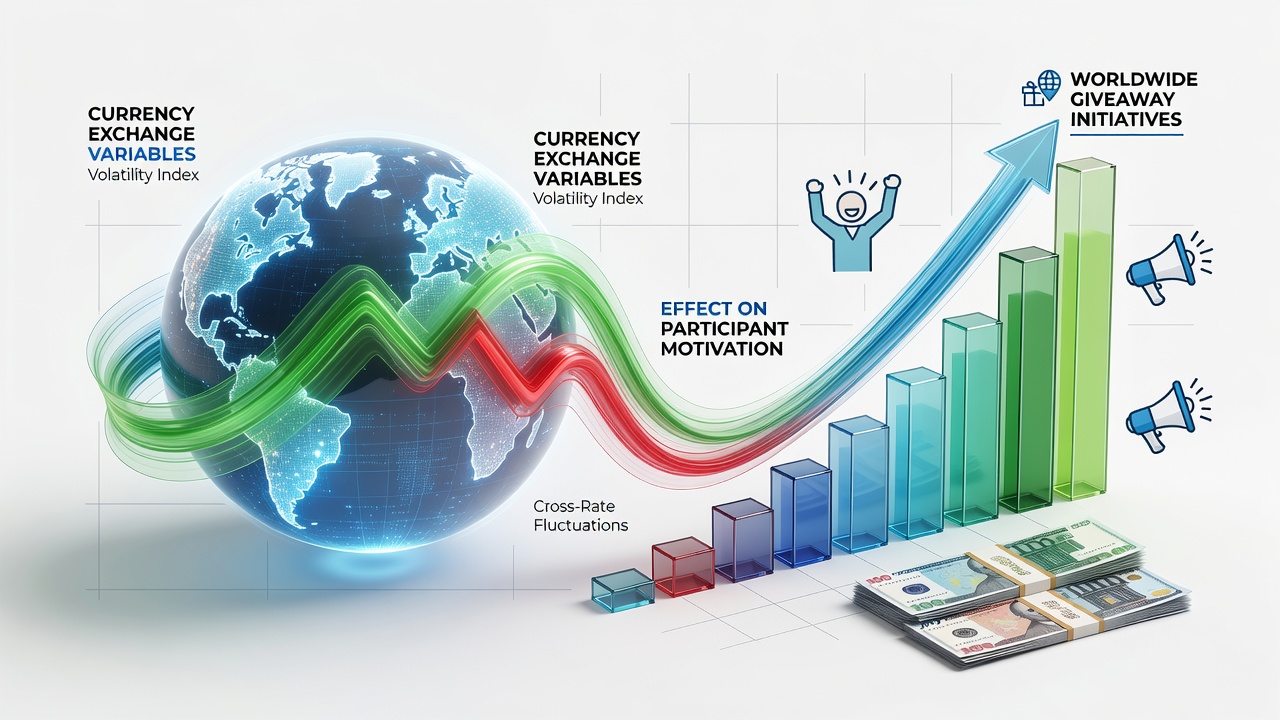
Currency Exchange Variables and Their Effect on Participant Motivation in Worldwide Giveaway Initiatives
Exchange Rate Fluctuations Shape Prize Value
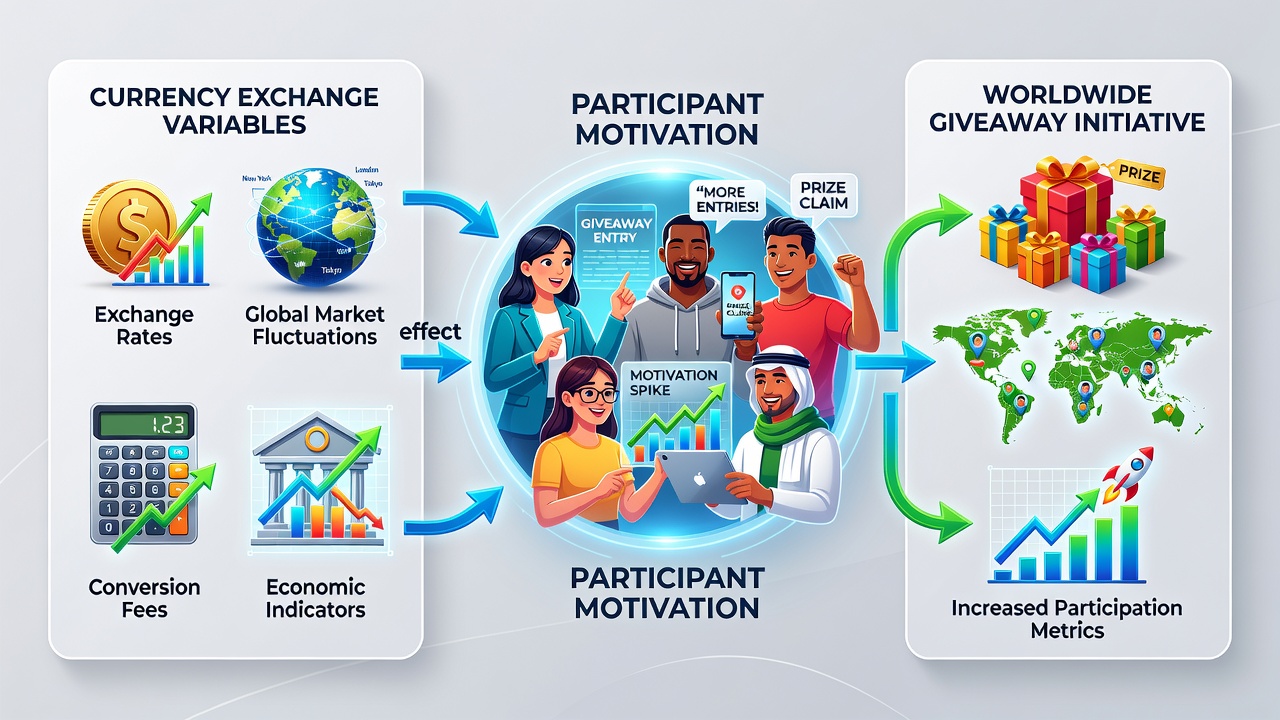
Exchange rate movements determine how much a prize actually delivers once converted into a participant's local currency, and data from multiple markets shows this factor directly influences entry rates in cross-border promotions. When the US dollar strengthens against the euro, for instance, a $5,000 cash award gains more purchasing power for European entrants, while the same amount loses ground for those in regions where local currencies weaken. Observers note that these shifts occur daily, yet participants track them closely because even modest swings alter the perceived worth of an award before any entry is submitted.
Studies tracking participation across Asia, Europe, and North America indicate that consistent depreciation of a home currency against the prize currency correlates with higher submission volumes during those periods. Researchers at institutions monitoring international commerce have documented that entrants often delay or accelerate their activity based on published rate tables rather than fixed calendars, creating measurable spikes when favorable conversions appear likely.
Conversion Fees and Hidden Costs Reduce Net Returns
Transaction costs imposed by banks and payment platforms further modify the final amount received, and these deductions vary by region and provider. A participant in Canada converting a prize denominated in Australian dollars might face a 2 to 4 percent fee plus a flat charge, while someone in Singapore handling the same transaction could encounter different structures tied to local regulations. Such differences mean two entrants in separate countries can realize substantially unequal net values from an identical announced prize, and records from promotion organizers confirm that awareness of these costs spreads through community forums and social channels.
Figures released by central banking authorities reveal that fee transparency requirements have increased in several jurisdictions since 2024, yet many entrants still underestimate the total impact until the funds arrive. This gap between expected and actual receipts can dampen repeat participation in subsequent events, particularly when the shortfall exceeds 5 percent of the headline amount.
Regional Currency Strength and Motivation Patterns
Stronger local currencies can diminish the relative attractiveness of foreign prizes, whereas weaker currencies amplify it, and analysts examining entry data across continents have mapped these patterns consistently. In August 2026, reports from multi-brand campaigns showed elevated activity from participants in markets experiencing local currency softening against major prize currencies, while regions with appreciating currencies displayed steadier but lower engagement levels. The effect appears most pronounced in cash awards rather than product prizes, since physical items retain more uniform perceived value regardless of exchange movements.
Those monitoring long-term trends note that promotional organizers sometimes adjust prize structures in response, offering currency-hedged options or localized equivalents to maintain consistent appeal. Data from industry tracking services shows such adaptations correlate with steadier entry volumes across volatile exchange environments.
Behavioral Responses to Rate Volatility
Participants respond to volatility by timing their involvement around anticipated rate movements, and evidence from digital entry platforms demonstrates clusters of activity following major economic announcements. When central banks signal policy changes that could shift rates, observers record immediate changes in submission timing rather than volume alone. This strategic adjustment reflects an understanding that waiting a few days might yield a meaningfully larger converted amount, and similar patterns appear in both daily draws and longer-cycle campaigns.
Academic examinations of consumer decision-making under currency uncertainty have found that individuals with prior experience in international promotions develop routines for checking live rates before finalizing entries. These habits contribute to differentiated motivation levels compared with newcomers who treat announced amounts as fixed values.
Implications for Global Campaign Design
Organizers operating across multiple currencies incorporate exchange forecasts into prize budgeting, and records indicate that campaigns running through periods of high volatility often include disclaimers about conversion outcomes. Regulatory filings in various markets require disclosure of potential fee impacts, which in turn shapes how information reaches participants. When such details are presented clearly, entry motivation remains more stable even as rates move, according to aggregated platform statistics.
One documented case involved a partnership campaign spanning North America and Southeast Asia where prize values were recalibrated mid-cycle to offset a sudden rate swing, resulting in sustained participation across both regions. Similar adjustments have appeared in subsequent initiatives when organizers reference real-time data feeds.
Conclusion
Currency exchange variables interact wth participant motivation through measurable channels of value perception, cost deduction, and timing strategy. Data from central banks, industry platforms, and academic reviews consistently shows that fluctuations, fees, and regional differentials alter entry behavior in worldwide giveaway initiatives. As campaigns continue to expand globally, these variables remain central to how participants evaluate opportunities and decide when to engage.