
Cross-Border Barriers: Navigating International Regulations in Global Prize Promotions
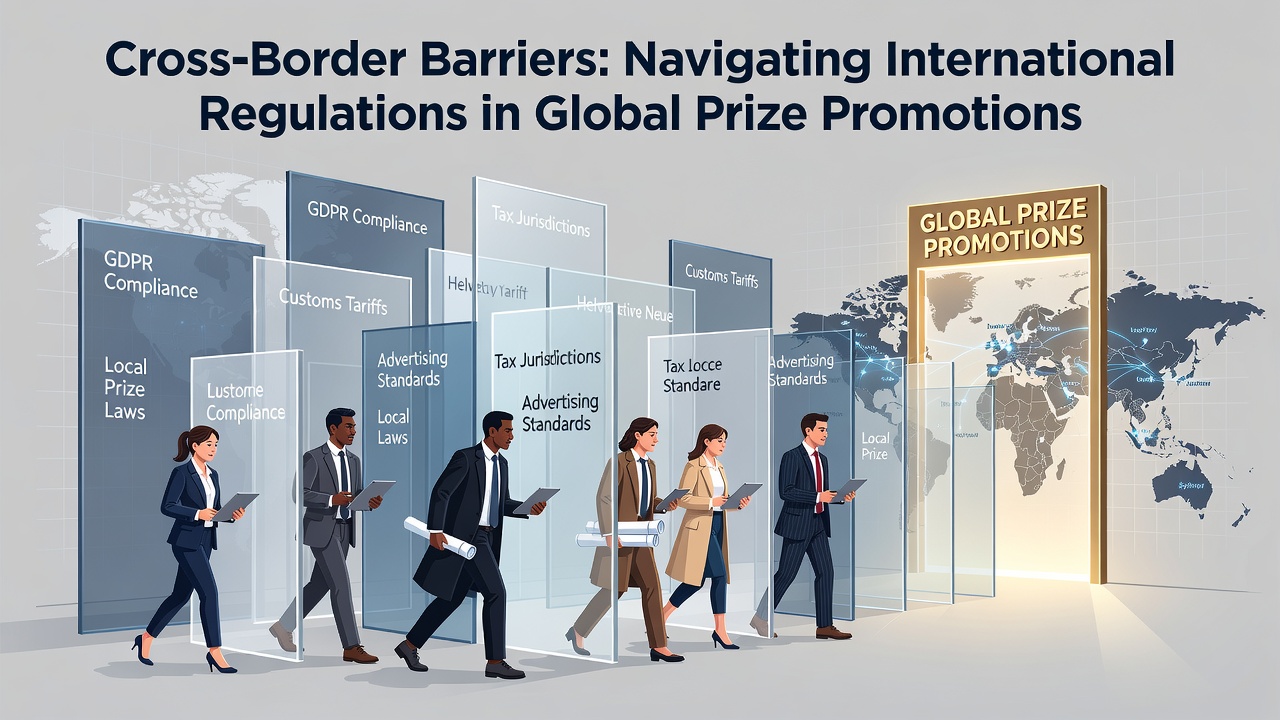
Global prize promotions operate under layers of rules that shift sharply from one country to the next, and companies must track eligibility requirements, disclosure standards, tax obligations, and data handling practices simultaneously. Observers note that a single campaign can trigger separate compliance frameworks in the United States, the European Union, Canada, and Australia, each with its own definition of what constitutes a legal sweepstakes or contest.
Core Regulatory Differences Across Major Markets
The United States relies primarily on Federal Trade Commission guidelines that require clear disclosure of entry methods, odds, and prize values, while individual states add their own registration and bonding rules for larger promotions. In contrast, the European Union applies consumer protection directives that emphasize fair contract terms and strict limits on data collection during entry processes. Canada enforces federal competition laws alongside provincial requirements that often demand French-language disclosures and separate tax reporting for winners. Australia maintains trade practices legislation that focuses on misleading conduct rules and mandatory cooling-off periods for certain prize claims.
Those who manage multi-country campaigns frequently discover that an entry form acceptable in one jurisdiction violates age-verification or consent standards in another. Research from international marketing associations shows that nearly 40 percent of cross-border promotions encounter delays because of mismatched disclosure language or missing local registrations.
Data Privacy and Tax Complications
Privacy regulations add another barrier because many promotions collect personal information that falls under different consent models. European rules require explicit opt-in for data use, whereas some North American jurisdictions allow implied consent provided clear notices appear at entry. Tax authorities in each country also treat prize values differently, with some mandating automatic withholding and others leaving responsibility to winners.
One study of 2025 campaigns found that tax reporting errors occurred most often when organizers applied a single withholding formula across all winner locations instead of adjusting for local thresholds. As July 2026 approaches, several jurisdictions are scheduled to update digital advertising standards that will affect how prize values appear in social media posts and app notifications, forcing organizers to revise creative assets ahead of time.
Practical Compliance Approaches
Companies that run recurring global promotions often establish regional compliance teams or retain local counsel in each target market. These teams review entry mechanics, translate official rules, and confirm that random draw procedures meet local standards for transparency. Some organizations use centralized platforms that automatically adjust terms and conditions based on the entrant’s detected location, reducing the risk of accidental violations.
According to FTC guidance on internet promotions, clear separation between advertising claims and official rules remains essential regardless of geography. Another source, the Australian Competition and Consumer Commission, publishes updated checklists that emphasize honest representation of prize availability and delivery timelines.
Case Examples from Recent Campaigns
A consumer electronics brand running a worldwide product giveaway in 2025 encountered registration requirements in three U.S. states plus separate bonding in Quebec, which extended the launch timeline by six weeks. The company adjusted by publishing region-specific rule pages and routing entries through localized landing sites. Another example involved a travel company whose European entries required additional consent language for geolocation data that was not needed in its Asian markets.
These situations illustrate how small differences in wording or data handling can create significant operational hurdles when campaigns cross borders.
Conclusion
Navigating international regulations for prize promotions demands ongoing attention to shifting legal requirements and careful coordination across multiple jurisdictions. Organizations that invest in localized legal review and adaptive entry systems tend to maintain smoother operations while meeting the distinct standards of each market they serve. Data from industry reports continues to show that proactive compliance planning reduces both delays and potential penalties associated with cross-border promotions.