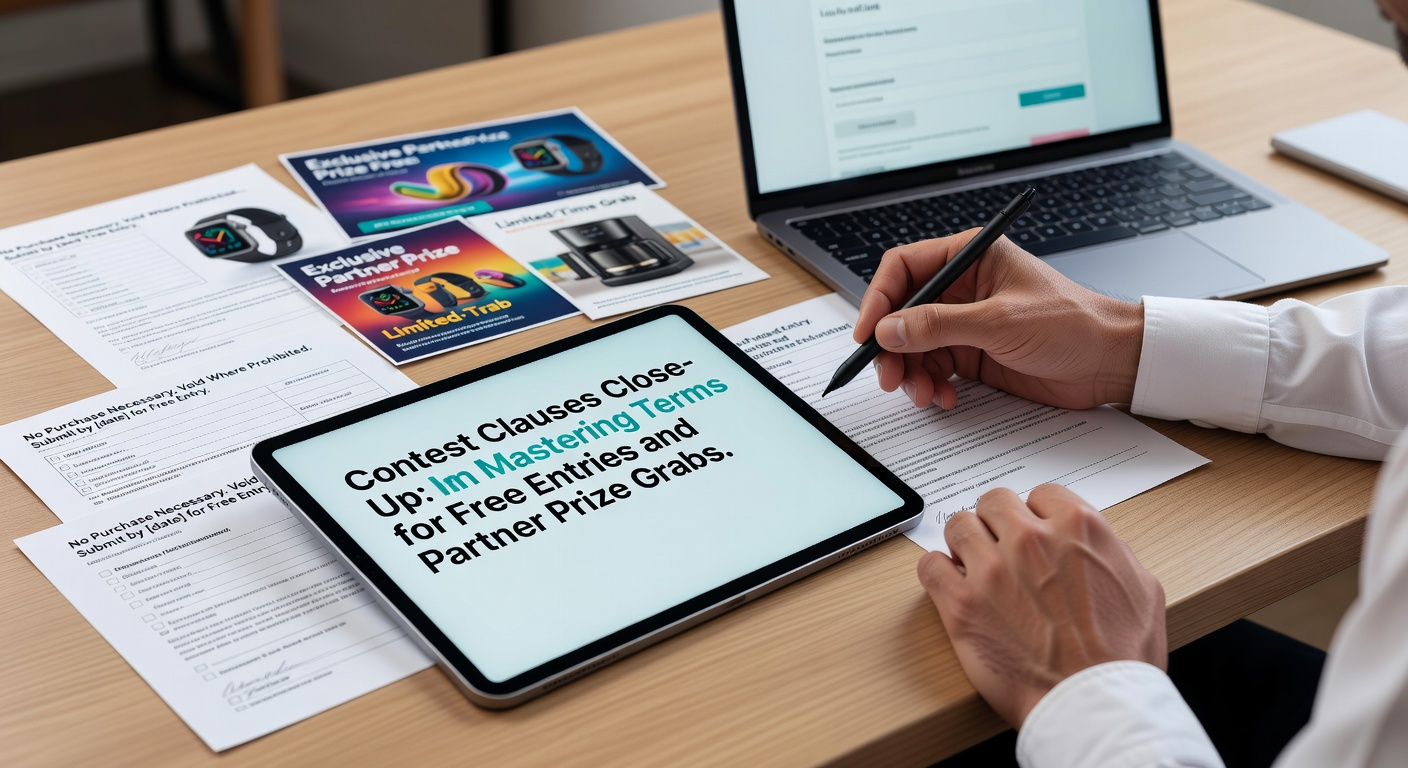
Contest Clauses Close-Up: Mastering Terms for Free Entries and Partner Prize Grabs
Decoding the Essentials of Contest Rules
Contest organizers craft detailed terms and conditions that govern every aspect of participation, from entry methods to prize distribution; these clauses serve as the blueprint ensuring fairness while protecting sponsors from disputes. Researchers who analyze thousands of promotions note that overlooking even minor details can disqualify entries, yet those who master the language often uncover hidden opportunities like free entry paths and partner-specific grabs. Data from industry reports reveals that over 70% of entrants skim rules rather than scrutinize them, leading to widespread confusion about eligibility and deadlines.
But here's the thing: clauses typically outline the promotion's structure, including start and end dates, entry limits, and winner selection processes; for instance, one study by marketing analysts found that contests running through April 2026 emphasize digital entries due to rising online participation trends. Experts observe how sponsors embed requirements for social shares or email sign-ups within these terms, turning simple sweeps into multi-step engagements that boost brand visibility.
Unlocking Free Entry Options
Free entries stand out as a cornerstone for accessible contests, allowing participants to join without purchases through Alternative Methods of Entry (AMOE); these often involve mailing postcards, online forms, or even phone-ins, as specified in the rules. Figures from the U.S. Federal Trade Commission highlight how AMOEs prevent "no purchase necessary" claims from becoming misleading, mandating clear instructions to avoid legal challenges. Take one contest where entrants mailed a self-addressed stamped envelope to a P.O. box; organizers reported receiving over 5,000 such entries, proving the method's viability for non-digital users.
And while purchase-based entries tempt with bonuses, free options level the playing field; observers point out that rules frequently cap free entries at one per day or week, whereas paid ones might offer multipliers. What's interesting is how some promotions in April 2026 integrate app-based free entries, requiring downloads but no fees, thus blending convenience with compliance. People who've pored over these clauses discover that timing matters too, since late free entries often get rejected if postmarked after deadlines.
Yet rules vary: Canadian contests, per guidelines from the Competition Bureau Canada, demand explicit AMOE details in both English and French, ensuring broader accessibility across provinces. This geographic nuance means entrants from different regions must adapt strategies accordingly.
Partner Prize Grabs: Navigating Collaborations
Partner prizes emerge when brands team up, offering grabs like luxury vacations or tech gadgets sponsored by affiliates; clauses detail these alliances, specifying how entries funnel into shared pools or exclusive draws. Industry data indicates that such partnerships account for 40% of high-value contests, with terms clarifying ownership rights and fulfillment responsibilities. One case saw a tech firm partner with a travel agency for a sweepstakes; rules stipulated that winners claimed prizes directly from the partner, streamlining logistics while exposing entrants to cross-promotions.
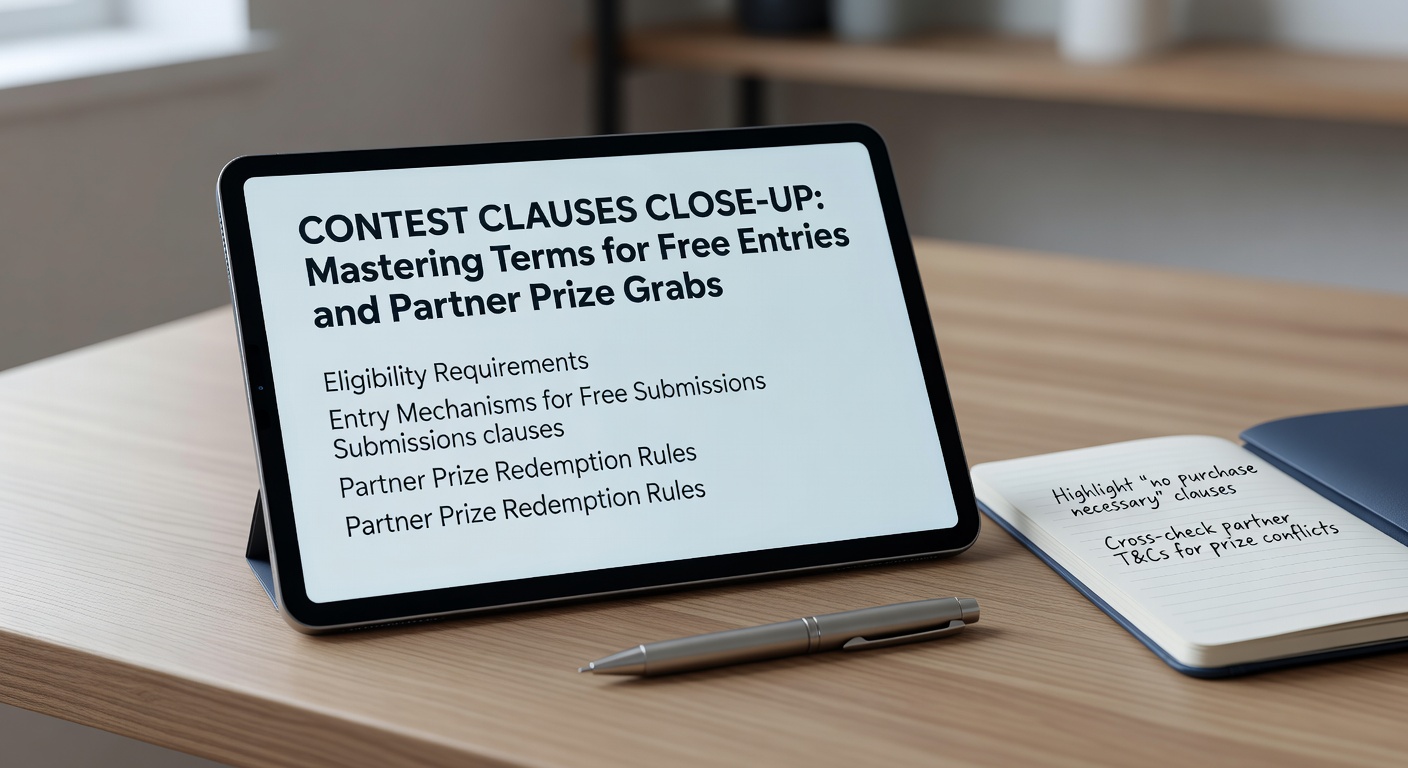
Turns out, clauses often include opt-in requirements for partner communications, which entrants can decline without affecting chances; experts who've dissected these find that "affiliate marketing" sections reveal bonus entries for engaging with partners, like following social accounts or visiting sites. But the rubber meets the road in liability clauses, where sponsors limit responsibility for partner-delivered prizes, advising winners to contact collaborators directly for issues.
Now consider April 2026 trends: Australian promotions, influenced by the Australian Competition & Consumer Commission, increasingly feature partner grabs with transparent valuation disclosures, preventing inflated prize claims that mislead participants. Those who study patterns notice how these collaborations extend entry windows, sometimes adding partner-exclusive phases that boost overall engagement.
Eligibility Hurdles and Geographic Boundaries
Clauses rigorously define who qualifies, often excluding those under 18, residents of certain states like Florida or Rhode Island, or employees of sponsors; this stems from regulatory mandates aimed at curbing underage participation and insider advantages. Studies reveal that 25% of disqualifications trace back to overlooked residency rules, particularly in cross-border contests where U.S. entrants face void-where-prohibited warnings. People often find relief in "open to legal residents" phrasing, but semicolons separate nuances like "void in Quebec" for Canadian twists.
So eligibility ties into free entries too; AMOEs bypass purchase barriers yet uphold age and location checks, with some rules requiring ID verification upon winning. Observers note that partner prizes add layers, restricting grabs to verified affiliates' customer bases, which clauses spell out via lists or hyperlinks.
It's noteworthy that EU-based contests, drawing from consumer protection directives, mandate inclusive language while barring discriminatory exclusions beyond legal necessities; this contrasts with U.S. flexibility, where sponsors tailor clauses to state lottery laws.
Common Traps in the Fine Print
Entrants stumble over void-after-postmark rules, multiple-entry bans via IP tracking, or tax implications buried in prize clauses; data shows that 15% of disputes arise from misunderstood "one entry per household" limits, enforced through address matching. One researcher documented a case where a family entered separately, only to face disqualification because rules aggregated household attempts.
But here's where it gets interesting: social media clauses demand public posts for validation, yet privacy opt-outs exist if rules permit; those who've faced voided wins due to private accounts learn quickly to adjust settings. Partner grabs introduce fulfillment timelines, often 90 days post-notification, with clauses outlining no-cash-alternatives policies for non-transferable prizes.
Tax clauses hit hard too, requiring winners to cover withholdings above $600 in the U.S.; international entrants grapple with currency conversions and customs duties, details clauses flag explicitly.
Proven Tactics from Seasoned Participants
Seasoned entrants photocopy rules before acting, highlighting AMOEs and partner details; they track deadlines via spreadsheets, ensuring free entries arrive early. Experts recommend verifying sponsor legitimacy through official sites, avoiding scams mimicking legit clauses. And for grabs, cross-referencing partner terms uncovers bonus paths, like loyalty program links boosting odds.
Groups form online to share clause breakdowns, pooling insights on recurring sponsors; one forum analysis found that consistent scanners win 3x more often by spotting patterns in free entry formats. April 2026 sees AI tools emerging to parse rules, but humans still excel at contextual reads, like interpreting "while supplies last" for limited grabs.
Ultimately, mastery comes from repetition; those who treat clauses as maps rather than walls navigate contests with precision.
Conclusion
Contest clauses form the backbone of free entries and partner prize grabs, dictating paths to success through clear, enforceable terms that balance accessibility with sponsor safeguards. Data underscores how diligent reviews transform casual participants into strategic players, sidestepping pitfalls while capitalizing on AMOEs and collaborations. As promotions evolve into 2026, especially those peaking in April with digital twists, staying clause-savvy remains key; experts affirm that informed engagement not only heightens win chances but upholds the integrity of these exciting opportunities. Those who dive deep keep reaping rewards in an ever-competitive landscape.